
Understanding Termite Control in Tucson
Termites are a significant concern for homeowners and property managers across the United States, with Tucson, Arizona being no exception. Termite control in Tucson is a specialized field of pest management that focuses on identifying, managing, and eliminating termite infestations to protect structures from damage caused by these insects. The core components of termite control in Tucson include inspection, identification, treatment, monitoring, and prevention strategies tailored to the local environment and termite species prevalent in the area.
Historically, termite control measures have evolved significantly. Early methods included crude attempts at baiting and hand-digging Barrier Systems. Over time, the industry has seen advancements in chemicals, detection technologies, and a better understanding of termite behavior and ecology. This has led to more effective and less disruptive control methods.
Global Impact and Trends
The impact of termite control extends beyond local boundaries, influencing global landscapes. As urbanization increases worldwide, the demand for effective pest management solutions, including termite control, rises. Key trends shaping the trajectory of termite control include the development of eco-friendly and integrated pest management (IPM) approaches, advances in biological research to understand termite colonies better, and the growing need for sustainable practices that minimize environmental impact.
Different regions are affected by various species of termites, each with unique characteristics and control challenges. For instance, drier climates like Tucson’s may harbor different species than more humid areas, necessitating specialized knowledge and treatment methods.
Economic Considerations
The economic aspects of termite control in Tucson are multifaceted. It encompasses the pest control industry’s market dynamics, investment patterns by homeowners in preventative measures, and the broader impact on insurance, housing markets, and construction industries. Effective termite control is not only a protective measure but also a driver of economic activity, influencing real estate values and construction practices.
Investment in termite control can save property owners substantial costs associated with repairs and maintenance due to termite damage. Conversely, the pest control industry itself benefits economically from the growing demand for termite management services.
Technological Advancements
Technology plays a crucial role in modern termite control. Innovations such as thermal imaging, moisture sensors, and advanced detection dogs have significantly improved the ability to detect infestations early. Additionally, the development of more effective baits and repellents, along with the use of beneficial nematodes, has shifted from purely chemical-based solutions to a more holistic approach that is both efficient and environmentally friendly.
The future potential of technology in termite control is vast, with research into genetic engineering to create termite-resistant wood and improvements in monitoring systems that can alert homeowners and professionals to infestations remotely.
Policy and Regulation
Policies and regulations governing termite control in Tucson are critical for ensuring safety, effectiveness, and environmental stewardship. These frameworks dictate the types of chemicals and treatments allowed, the training required for pest management professionals, and the protocols for disposal and handling of materials.
The National Pest Management Association (NPMA) and local regulatory bodies like the Arizona Department of Agriculture provide guidelines that help shape best practices in termite control. These regulations are influenced by environmental concerns, public health considerations, and the evolving understanding of termite biology and behavior.
Challenges and Criticisms
Termite control in Tucson faces several challenges, including the development of resistant termite species, the protection of non-target organisms, and ensuring that control methods are both effective and safe for humans and pets. Critics often point to overreliance on chemical treatments and the potential for environmental contamination.
To address these issues, industry professionals advocate for a combination of strategies, including better monitoring systems, improved education for homeowners, and continued research into less invasive treatment options. The integration of IPM practices is also encouraged to create a more sustainable approach to termite control.
Case Studies
Several case studies illustrate the successful application of termite control measures in Tucson. One notable example involved a historic home with termites actively damaging wooden structures. Through a combination of baiting systems and targeted spot treatments, the infestation was eliminated without compromising the integrity of the property’s historical features. Another case study highlights the effective use of monitoring stations to detect early signs of termite activity, leading to preventative measures that saved the homeowner significant repair costs.
Future Prospects
The future outlook for termite control in Tucson is promising, with potential growth areas including the development of new technologies and the expansion of IPM practices. Emerging trends suggest a greater emphasis on public education, early detection, and sustainable treatment options. Strategic considerations will focus on adapting to climate change, understanding new termite species, and leveraging technology for more efficient and less intrusive interventions.
Conclusion
Termite control in Tucson is a critical component of property maintenance and environmental health. It encompasses a broad range of activities, from inspection and identification to treatment and prevention. The relevance of termite control cannot be overstated, as it directly impacts the safety and longevity of homes and buildings, the economic well-being of property owners, and the overall ecological balance within the region.
FAQs
-
What are the most common species of termites in Tucson?
- The most common species include the desert dampwood termite (Heterotermes aureus) and the arid-land subterranean termite (Schedorhinotermes meinerti).
-
How important is termite control for a homeowner in Tucson?
- Termite control is highly important due to the arid climate, which can lead to wood becoming more susceptible to infestation and damage. Regular inspections and preventative measures are essential for preserving property value and preventing costly repairs.
-
What technologies are used in modern termite control?
- Modern termite control uses a variety of technologies, including thermal imaging, moisture sensors, baiting systems, and monitoring devices. Advances in genetic engineering and remote-sensing technologies are also on the horizon.
-
Are there any sustainable or eco-friendly termite control options?
- Yes, there are several sustainable options such as beneficial nematodes, green baiting systems, and integrated pest management (IPM) approaches that minimize the use of chemical treatments.
-
How do regulations impact termite control practices in Tucson?
- Regulations influence termite control by setting standards for treatment methods, safety protocols, and the handling of materials. These ensure that practices are both effective and environmentally responsible.
Termite infestations pose a significant threat to Tucson homes due to the region's suitable climate, but early detection and professional termite control Tucson services can prevent extensive structural damage. Homeowners should select licensed exterminators with eco-friendly methods, tailored solutions, and transparent pricing for effective protection. Regular inspections, non-chemical methods like moisture source elimination, physical barriers, and preventive measures like debris removal are key to combating termites in Tucson.
“Looking for top-rated termite exterminators in Tucson? Understanding termite infestations is crucial before selecting a pro. The desert climate presents unique challenges for effective termite control. This article guides you through choosing the right specialist and explores proven methods to combat these pests. Discover the best practices for Tucson residents to safeguard their homes from termite damage, ensuring peace of mind in the long run. Explore our recommendations for reliable termite control Tucson services.”
Understanding Termite Infestations in Tucson
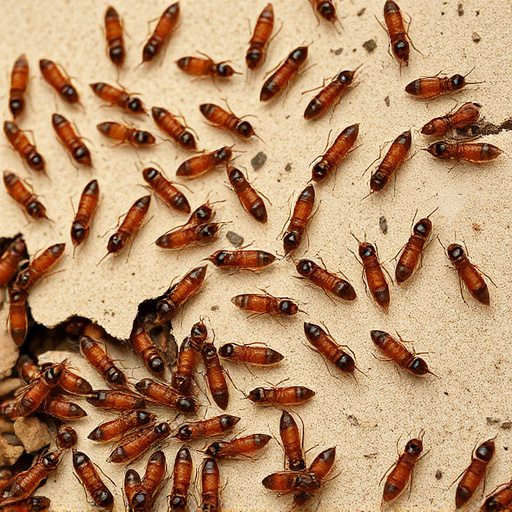
Termite infestations are a significant concern for many homeowners in Tucson, Arizona. The arid climate and warm temperatures make the region an ideal habitat for these wood-eating insects. Once termites establish a colony, they can cause extensive damage to structures over time, making early detection crucial. Understanding their behavior and life cycle is essential for effective termite control Tucson residents rely on.
Termites are social insects that live in organized colonies, with each member playing a specific role. They build intricate networks of tunnels, often hidden behind walls, floors, or under flooring materials, which allow them to access wood sources undetected. Regular inspections by professional termite exterminators in the Tucson area can help identify these signs and determine the extent of an infestation. With advanced techniques and eco-friendly solutions, local experts provide effective termite control services, ensuring homes remain protected year-round.
Choosing the Right Termite Exterminator

When it comes to selecting a termite exterminator in the Tucson area, there are several factors to consider. It’s important to opt for professionals who possess the necessary expertise and utilize environmentally friendly methods, especially since termites can cause significant damage to homes and structures. Reputable companies should offer comprehensive solutions tailored to your specific needs, whether preventing future infestations or eliminating existing ones.
Searching for “termite control Tucson” will yield a variety of options, but it’s crucial to choose a company with a proven track record. Check reviews, licenses, and insurance to ensure you’re hiring reliable experts. A top-rated exterminator should provide transparent pricing, detailed treatment plans, and guaranteed results, ensuring your home is protected from these wood-eating pests for the long term.
Effective Termite Control Methods and Tips for Tucson Residents

In the battle against termites, effective termite control methods are essential for Tucson residents. The first line of defense involves regular inspections to identify any signs of an infestation early on. Termite control in Tucson often starts with non-chemical measures like eliminating moisture sources, repairing leaks, and ensuring proper ventilation in areas prone to termite activity. Physical barriers such as metal mesh and chemical treatments targeted at entry points can significantly deter termites.
Residents should also consider preventive measures like removing organic debris from around the home, trimming trees and shrubs to reduce proximity to structures, and maintaining a clear, dry space between soil and wooden parts of the house. When an infestation is confirmed, professional termite exterminators in Tucson offer advanced treatments tailored to specific needs, ensuring long-lasting protection. Choosing reputable, licensed professionals specializing in termite control Tucson can make all the difference in effectively managing and eradicating these pests.
When facing termite infestations in Tucson, residents now have access to top-rated exterminators who employ effective and eco-friendly control methods. By understanding the issue and choosing the right professional, homeowners can protect their investments and enjoy peace of mind. Termite control Tucson is not just about eliminating the current problem; it’s about preventing future invasions. With the right knowledge and expert assistance, residents can effectively navigate this challenging pest control landscape.