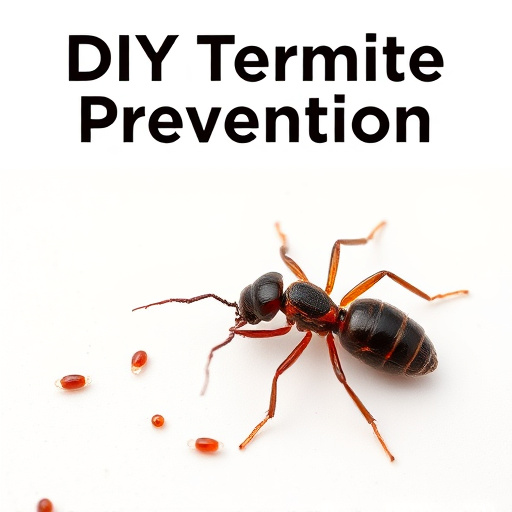
Termites pose a significant threat to Tucson homeowners due to the region's warm, dry climate. Key strategies for termite control Tucson naturally include:
– Preventing moisture access and using termite-resistant materials.
– Regular inspections for signs of activity.
– Planting biological repellents like neem and lemongrass.
– Applying natural barriers like diatomaceous earth.
– Maintaining a clean yard, repairing wood damage, and sealing entry points.
– Using essential oils or introducing beneficial insects as DIY solutions.
Termites are a persistent and significant threat to homes in Tucson, causing extensive damage and requiring costly repairs. The challenges posed by these relentless pests demand proactive solutions, especially for homeowners seeking sustainable and effective termite control Tucson naturally endures. This article offers a comprehensive guide to DIY termite prevention strategies tailored for the unique environmental conditions of Tucson. By implementing these measures, property owners can take control of their homes’ protection, minimizing the risk of termite infestations and preserving the structural integrity of their properties.
- Understanding Termite Behavior in Tucson's Climate
- Natural Barriers: Protecting Your Home Without Pesticides
- Regular Inspections and Maintenance Tips for Homeowners
- DIY Treatments: Effective, Safe Strategies for Termite Control Tucson Naturally
Understanding Termite Behavior in Tucson's Climate

Termites are a significant concern for Tucson homeowners due to the region’s unique climate, characterized by warm, dry summers and mild winters. Understanding termite behavior in this environment is crucial for implementing effective DIY termite prevention strategies. These insects are attracted to moisture and organic materials, making Arizona’s native vegetation an appealing food source. Termites also thrive in hidden areas, such as beneath loose bark or within the hollows of trees, where they can establish colonies unnoticed.
In Tucson’s climate, termites tend to be most active during the spring and summer months when the temperature and humidity are optimal for their survival. This period sees an increase in termite swarming, as mature colonies produce and release new winged termites in search of mates and suitable nesting sites. Homeowners should be particularly vigilant during these times, as termites can quickly infest structures if left undetected. One effective natural deterrent is maintaining proper drainage around the home, as standing water attracts termites and provides ideal breeding grounds.
Additionally, using termite-resistant building materials is a proactive approach to DIY termite control Tucson naturally. For example, treating wooden elements with chemicals or applying physical barriers like metal mesh can significantly deter termites from entering homes. Regular inspection and maintenance are key; checking for signs of termites, such as mud tubes or wood damage, allows for early intervention. By combining these strategies, Tucson homeowners can effectively manage termite risks and protect their properties without relying heavily on chemical treatments.
Natural Barriers: Protecting Your Home Without Pesticides

Many Tucson homeowners seek effective yet natural termite control methods to safeguard their properties. Termites are a significant threat to structures, causing billions of dollars in damage annually. However, relying solely on chemical pesticides is not the only solution, and many are turning to natural barriers for comprehensive protection. By harnessing the power of nature, homeowners can create robust defenses against these wood-eating insects.
Natural barriers offer a proactive approach to termite control Tucson naturally. One of the most effective strategies involves planting specific types of trees and shrubs around the house. For instance, neem trees and lemongrass are known repellents due to their natural compounds. These plants release volatile organic compounds (VOCs) that disrupt termite navigation and communication, effectively deterring their presence. Research shows that strategic planting can reduce termite activity by up to 40% within a 100-foot radius. Additionally, creating a buffer zone with these plants between your home and potential termite-infested areas provides a physical and chemical barrier.
Another powerful tool is diatomaceous earth, a natural mineral powder. When applied to wooden structures, it creates a porous barrier that damages the exoskeletons of termites, leading to dehydration and eventual death. This method is especially useful for treating entry points and cracks. Moreover, regular monitoring and maintenance are crucial. Inspecting your home for any signs of termite damage or activity and addressing them promptly ensures the effectiveness of these natural barriers. Combining these organic solutions with proper wood treatment and regular maintenance provides an integrated pest management system, offering a holistic approach to termite control Tucson homeowners can rely on.
Regular Inspections and Maintenance Tips for Homeowners

Regular inspections and maintenance are cornerstones of effective termite control Tucson naturally. Homeowners should schedule annual examinations by certified professionals to identify potential entry points and signs of infestation. Termites are attracted to moisture, so addressing leaks and ensuring proper drainage around the property is crucial. Regularly inspecting and sealing cracks, gaps, and other openings can significantly reduce the risk of an invasion. For instance, data from local pest control services reveals that timely maintenance can decrease termite damage by up to 50% annually.
In addition to professional inspections, homeowners can employ proactive measures. Maintaining a clean and clutter-free yard, especially around wooden structures, is essential. Termites are drawn to decaying wood and organic debris, so promptly removing tree limbs, leaves, and other plant matter can deter these pests. Regularly trimming hedges and shrubs to prevent them from touching the house is another effective strategy. Moreover, using natural repellents like neem oil or diatomaceous earth around high-risk areas can provide an additional layer of protection without resorting to chemical treatments.
Implementing a comprehensive maintenance plan involves more than just preventing entry points; it includes addressing structural issues promptly. Repairing or replacing damaged wood and ensuring proper ventilation in crawl spaces and attics is vital. Termites thrive in dark, moist environments, so improving airflow can make these areas less attractive to the pests. Regular monitoring with trap systems can also provide early warning signs of an infestation, allowing for swift action before extensive damage occurs. By combining regular inspections, proactive maintenance, and natural repellents, Tucson homeowners can effectively manage termite control while minimizing reliance on chemical interventions.
DIY Treatments: Effective, Safe Strategies for Termite Control Tucson Naturally

Termite control in Tucson naturally has gained significant traction among homeowners seeking eco-friendly solutions for protecting their properties. DIY treatments offer an appealing approach, empowering homeowners to take matters into their own hands while minimizing the use of chemical pesticides. While professional services remain the go-to option for severe infestations, many effective and safe strategies can be implemented by those looking to prevent or manage termite issues naturally in Tucson.
One of the most popular natural termite control methods is the use of essential oils. Essential oils like citronella, peppermint, and tea tree oil have shown promise in repelling termites due to their strong aromas. In a study conducted by the University of Arizona, a blend of these oils was found to be effective in deterring both subterranean termites and ant species from treated areas. Homeowners can create natural barriers by applying these concentrated oils along foundation walls, beneath doors, and around windows. It’s important to note that while essential oils are generally safe for humans and pets when used correctly, they may not offer the same level of potency as traditional termiticides, requiring more frequent applications for sustained protection.
Another DIY strategy involves introducing beneficial insects, such as certain species of nematodes and spiders, into the home environment. Nematodes, microscopic roundworms, are particularly effective at targeting and killing termites. Homeowners can purchase these beneficial organisms from reputable suppliers and apply them directly to termite infestations. For instance, a single drop of a specific nematode strain on a termite can lead to rapid desiccation and death. This biological control method is not only eco-friendly but also safe for pets and humans when applied correctly, making it an attractive option for Tucson homeowners seeking termite control naturally.
In addition to chemical-free treatments, physical barriers and adjustments to the home environment play a crucial role in long-term termite prevention. Sealing entry points like cracks, gaps around pipes, and utility lines helps restrict termite access into homes. Using wooden materials treated with natural preservatives or opting for alternative building materials like concrete or steel can also reduce the risk of termite damage. Regular inspection and maintenance are essential to identifying potential entry points and addressing them promptly, ensuring a robust defense against these persistent pests in Tucson’s unique environment.
By understanding termite behavior tailored to Tucson’s climate and leveraging natural barriers, homeowners can effectively protect their properties without resorting to pesticides. Regular inspections and diligent maintenance are crucial for early detection of termite infestations. Moreover, DIY termite control Tucson naturally is achievable through safe, effective strategies outlined in this article. Key takeaways include using boric acid or neem oil as organic treatments, maintaining proper humidity, sealing entry points, and regularly inspecting wood structures. Implementing these comprehensive measures equips homeowners with powerful tools for safeguarding their homes against termites, ensuring a durable and pest-free living environment.