Understanding Termite Control in Tucson
Termites are a significant concern for homeowners and property managers across the United States, with Tucson, Arizona being no exception. Termite control in Tucson is a specialized field of pest management that focuses on identifying, managing, and eliminating termite infestations to protect structures from damage caused by these insects. The core components of termite control in Tucson include inspection, identification, treatment, monitoring, and prevention strategies tailored to the local environment and termite species prevalent in the area.
Historically, termite control measures have evolved significantly. Early methods included crude attempts at baiting and hand-digging Barrier Systems. Over time, the industry has seen advancements in chemicals, detection technologies, and a better understanding of termite behavior and ecology. This has led to more effective and less disruptive control methods.
Global Impact and Trends
The impact of termite control extends beyond local boundaries, influencing global landscapes. As urbanization increases worldwide, the demand for effective pest management solutions, including termite control, rises. Key trends shaping the trajectory of termite control include the development of eco-friendly and integrated pest management (IPM) approaches, advances in biological research to understand termite colonies better, and the growing need for sustainable practices that minimize environmental impact.
Different regions are affected by various species of termites, each with unique characteristics and control challenges. For instance, drier climates like Tucson’s may harbor different species than more humid areas, necessitating specialized knowledge and treatment methods.
Economic Considerations
The economic aspects of termite control in Tucson are multifaceted. It encompasses the pest control industry’s market dynamics, investment patterns by homeowners in preventative measures, and the broader impact on insurance, housing markets, and construction industries. Effective termite control is not only a protective measure but also a driver of economic activity, influencing real estate values and construction practices.
Investment in termite control can save property owners substantial costs associated with repairs and maintenance due to termite damage. Conversely, the pest control industry itself benefits economically from the growing demand for termite management services.
Technological Advancements
Technology plays a crucial role in modern termite control. Innovations such as thermal imaging, moisture sensors, and advanced detection dogs have significantly improved the ability to detect infestations early. Additionally, the development of more effective baits and repellents, along with the use of beneficial nematodes, has shifted from purely chemical-based solutions to a more holistic approach that is both efficient and environmentally friendly.
The future potential of technology in termite control is vast, with research into genetic engineering to create termite-resistant wood and improvements in monitoring systems that can alert homeowners and professionals to infestations remotely.
Policy and Regulation
Policies and regulations governing termite control in Tucson are critical for ensuring safety, effectiveness, and environmental stewardship. These frameworks dictate the types of chemicals and treatments allowed, the training required for pest management professionals, and the protocols for disposal and handling of materials.
The National Pest Management Association (NPMA) and local regulatory bodies like the Arizona Department of Agriculture provide guidelines that help shape best practices in termite control. These regulations are influenced by environmental concerns, public health considerations, and the evolving understanding of termite biology and behavior.
Challenges and Criticisms
Termite control in Tucson faces several challenges, including the development of resistant termite species, the protection of non-target organisms, and ensuring that control methods are both effective and safe for humans and pets. Critics often point to overreliance on chemical treatments and the potential for environmental contamination.
To address these issues, industry professionals advocate for a combination of strategies, including better monitoring systems, improved education for homeowners, and continued research into less invasive treatment options. The integration of IPM practices is also encouraged to create a more sustainable approach to termite control.
Case Studies
Several case studies illustrate the successful application of termite control measures in Tucson. One notable example involved a historic home with termites actively damaging wooden structures. Through a combination of baiting systems and targeted spot treatments, the infestation was eliminated without compromising the integrity of the property’s historical features. Another case study highlights the effective use of monitoring stations to detect early signs of termite activity, leading to preventative measures that saved the homeowner significant repair costs.
Future Prospects
The future outlook for termite control in Tucson is promising, with potential growth areas including the development of new technologies and the expansion of IPM practices. Emerging trends suggest a greater emphasis on public education, early detection, and sustainable treatment options. Strategic considerations will focus on adapting to climate change, understanding new termite species, and leveraging technology for more efficient and less intrusive interventions.
Conclusion
Termite control in Tucson is a critical component of property maintenance and environmental health. It encompasses a broad range of activities, from inspection and identification to treatment and prevention. The relevance of termite control cannot be overstated, as it directly impacts the safety and longevity of homes and buildings, the economic well-being of property owners, and the overall ecological balance within the region.
FAQs
-
What are the most common species of termites in Tucson?
- The most common species include the desert dampwood termite (Heterotermes aureus) and the arid-land subterranean termite (Schedorhinotermes meinerti).
-
How important is termite control for a homeowner in Tucson?
- Termite control is highly important due to the arid climate, which can lead to wood becoming more susceptible to infestation and damage. Regular inspections and preventative measures are essential for preserving property value and preventing costly repairs.
-
What technologies are used in modern termite control?
- Modern termite control uses a variety of technologies, including thermal imaging, moisture sensors, baiting systems, and monitoring devices. Advances in genetic engineering and remote-sensing technologies are also on the horizon.
-
Are there any sustainable or eco-friendly termite control options?
- Yes, there are several sustainable options such as beneficial nematodes, green baiting systems, and integrated pest management (IPM) approaches that minimize the use of chemical treatments.
-
How do regulations impact termite control practices in Tucson?
- Regulations influence termite control by setting standards for treatment methods, safety protocols, and the handling of materials. These ensure that practices are both effective and environmentally responsible.
Termites are year-round pests in Tucson's warm, moist climate, with increased activity during spring and summer. Effective termite control requires proactive measures like regular inspections, moisture management, sealing entry points, and professional treatments. During dry seasons, homeowners should maintain proper moisture levels, address leaks, fix plumbing issues, clear debris, and seal entry points. In wet seasons, focus on proper drainage by inspecting and cleaning gutters and drains, and consider professional termite barrier treatments. Termite control specialists in Tucson offer tailored eco-friendly solutions for comprehensive protection against local species.
In Tucson, Arizona, understanding termite behavior is key to effective seasonal prevention. These insects thrive in warm, dry climates, making our region particularly susceptible to infestations. During the dry season, termites are less active, but preparation is vital. We’ll guide you through essential steps to fortify your property. Come wet season, when termites seek moisture, we’ll share strategies to keep them at bay. Discover the best practices and consider professional termite control Tucson services for year-round protection.
Understanding Termites and Their Seasonal Behavior in Tucson

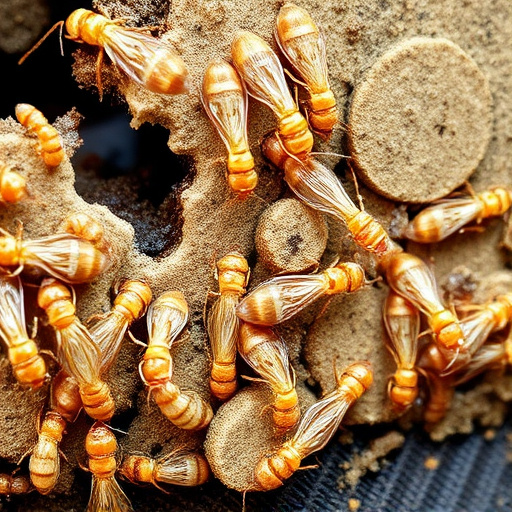
Termites are silent invaders that can cause significant damage to homes and properties in Tucson’s unique climate. Understanding their seasonal behavior is crucial for effective termite control Tucson residents rely on. These insects thrive in warm, moist environments, making Tucson’s desert landscape an ideal habitat. During spring and summer, termites become more active as they emerge from their winter dormancy, searching for food and mates. This period sees an increase in swarming, where winged termites take to the air, a sight often mistaken for flying ants.
In fall and winter, termite activity slows down, but they don’t disappear. They tend to burrow deeper into wood, seeking protection from colder temperatures. In Tucson’s mild winters, some species may remain active year-round. This seasonal behavior makes it essential for homeowners to be proactive with termite control measures. Regular inspections, removing moisture sources, sealing entry points, and professional treatments can help protect Tucson properties from these persistent pests.
Essential Steps for Termite Prevention During Dry Seasons

During the dry seasons in Tucson, homeowners should take proactive steps to prevent termite infestations. One of the most crucial measures is maintaining proper moisture levels around your property. Termites are attracted to water, so addressing any leaks or standing water is essential. Regularly inspect your home’s plumbing for leaks and promptly fix them. Additionally, ensure adequate drainage around your foundation by installing proper gutters and downspouts. Clear debris and potential hiding spots like piles of wood or leaves that could retain moisture.
Another effective strategy is to seal entry points. Termites can gain access to buildings through tiny cracks and gaps in walls, floors, or foundations. Seal these openings with caulk or appropriate sealing materials. Pay special attention to areas where utility lines enter the home. Regularly check for any signs of damage or new wooden structures that might provide food sources for termites. Employing professional termite control services in Tucson is also beneficial, as experts can identify potential risks and implement tailored solutions to safeguard your property from these persistent pests.
Protecting Your Property: Implementing Wet Season Strategies

Protecting your property from termites is a year-round effort, but it’s especially crucial during the wet season in Tucson. Termites thrive in humid conditions, and the monsoons that bring much-needed rain also create an ideal environment for these pests to proliferate. To stay ahead of the game, consider implementing strategic measures tailored for termite control in Tucson during this period.
One effective approach is to ensure proper drainage around your property. Termites are attracted to water, so addressing any standing water or moisture issues is key. Regularly inspect and clean gutters, downspouts, and drains to prevent water accumulation near your home’s foundation. Additionally, consider applying a professional termite barrier treatment during the wet season to create a protective shield against these insidious insects, offering peace of mind for Tucson property owners.
Professional Termite Control Services for Tucson Residents

When it comes to protecting your Tucson property from termites, professional termite control services are an essential investment. With their extensive knowledge and specialized equipment, pest control experts in Tucson can provide effective solutions tailored to your specific needs. These professionals understand the unique challenges posed by Arizona’s climate and local termite species, ensuring comprehensive protection for your home or business.
By enlisting the help of termite control specialists, residents can benefit from advanced treatment methods that are both eco-friendly and highly efficient. Regular inspections, targeted treatments, and preventive measures are all part of their expert services. This proactive approach not only saves you from potential structural damage but also provides peace of mind, knowing your property is in safe hands. So, for effective termite control Tucson residents can trust, reach out to the professionals who specialize in keeping termites at bay.
Protecting your Tucson property from termites requires a year-round strategy, adapting to the region’s distinct seasonal changes. By understanding termite behavior and implementing tailored prevention methods for both dry and wet seasons, homeowners can significantly reduce the risk of an invasion. Combining these proactive measures with professional termite control services ensures a comprehensive approach to keeping termites at bay. For effective and reliable termite management in Tucson, consider contacting local experts who specialize in termite control, ensuring your home remains protected throughout the year.