The Tucson area is home to multiple termite species, with Subterranean and Drywood termites being most common. Prevention involves proper drainage, eliminating moisture, and maintaining buffer zones. Regular inspections by professionals using advanced tools are crucial for early detection. Natural termite control methods include biological control, native vegetation, termite traps, proactive measures, and hygiene practices. Severe infestations require professional intervention with termiticide barriers, targeted baits, and heat treatments tailored to species. Regular inspections by experts using moisture meters and dogs ensure early detection and effective management.
The Tucson area’s unique ecosystem makes it a prime habitat for various termite species, posing a significant challenge for homeowners and property managers alike. Effective termite control is essential to protect these structures from these relentless pests that can cause substantial damage. Understanding the types of termites prevalent in the region is the first step towards implementing successful termite control Tucson naturally and sustainably. This article provides an in-depth exploration of the different termite species, their behaviors, and offers practical insights into managing them without harmful chemicals.
- Discover Common Termite Species in Tucson
- Identifying Signs of Termite Infestation Locally
- Natural Methods for Termite Control Tucson
- Professional Solutions for Severe Cases: Termite Treatment
Discover Common Termite Species in Tucson
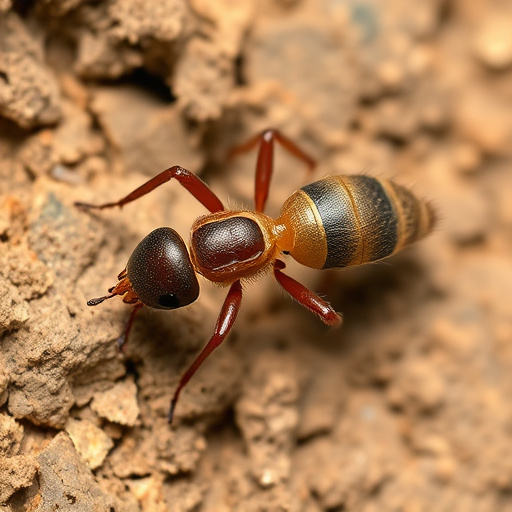
The Tucson area, with its arid climate and diverse vegetation, is home to several termite species. Among these, the most common are the Subterranean termites and Drywood termites. Subterranean termites, like the Western Subterranean Termite (Reticuliterms hajekii), are renowned for their extensive tunnel systems beneath the ground. They feed on cellulose-rich materials, often invading structures from below, making them a significant threat to homes in the region. These termites are particularly attracted to areas with high moisture content and access to wood, such as poorly maintained foundations or wooden structures in contact with soil.
Drywood termites, including the Western Drywood Termite (Incisiterms minor), contrast significantly from their subterranean counterparts by constructing their colonies above ground, feeding on dry, unmoisturized wood. They are less dependent on moisture and can thrive in drier conditions, often infesting wooden elements of homes like floor joists, walls, or even furniture. Unlike Subterranean termites that leave distinct mud tubes, Drywood termites create small holes as they consume wood, making their presence harder to detect initially.
Termite control Tucson naturally begins with prevention. Homeowners can significantly reduce the risk of termite infestations by ensuring proper drainage around buildings, eliminating moisture sources, and maintaining a buffer zone between wooden structures and nearby trees or shrubs. Regular inspections by professional pest control services are also crucial for early detection and effective management of termite activity in the Tucson area.
Identifying Signs of Termite Infestation Locally
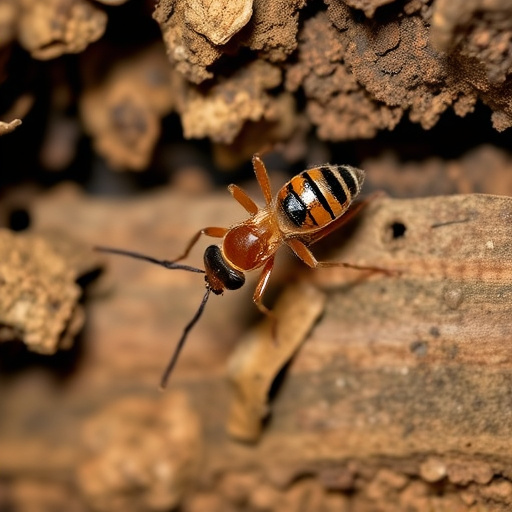
Termites are a year-round concern in Tucson, with several species actively seeking wood sources for their nests. Identifying signs early is crucial for effective termite control Tucson naturally relies on. The most common termites in this area include Subterranean and Drywood varieties. Subterraneans, known for their extensive tunnel systems, often go unnoticed until damage appears. They are attracted to moist wood and can travel significant distances beneath structures, making early detection challenging. However, signs like cracks in foundation walls, visible mud tubes, or wooden beams with soft, bulging areas might indicate their presence.
Drywood termites, on the other hand, nest above ground level, typically in dry, unpainted wood. Their colonies are smaller but equally destructive. Signs of Drywood infestation include wing traces on windowsills and floorboards, small piles of wings outside infested areas, or noticeable wood damage without visible mud tubes. Homeowners should also watch for uneven doors and windows, as well as walls that bulge slightly, which could point to extensive internal termite activity.
Regular inspections by trained professionals are vital for proactive termite control Tucson’s diverse climate encourages. Visual examinations alone may miss subtle signs, so advanced tools like moisture meters and termitometers can provide more accurate assessments. Prompt action is key; early detection allows for less invasive, environmentally friendly methods of treatment, such as baits or organic repellents, rather than heavy-duty chemical insecticides.
Natural Methods for Termite Control Tucson
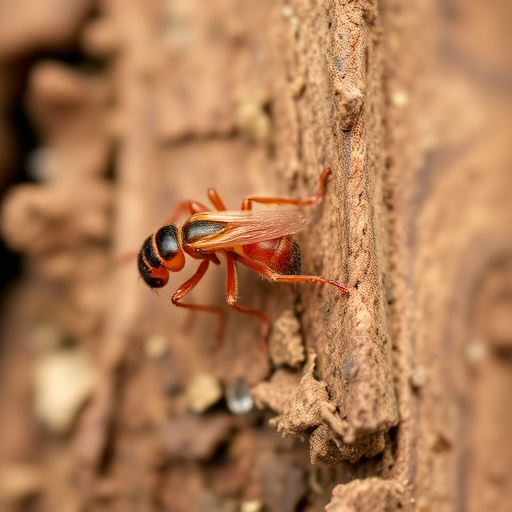
The Tucson area is home to several species of termites, each with its unique behavior and ecological role. To address termite infestations naturally in this region, it’s crucial to understand these species and employ specific strategies tailored to the local environment. The most common termites in Tucson include the Western Subterranean Termite and the Desert Drywood Termite. The former is prevalent beneath structures, forming large colonies that can cause significant structural damage over time, while the latter thrives in dry, wooden structures above ground.
Natural termite control in Tucson involves a multi-faceted approach leveraging the area’s native ecosystem. One effective method is biological control, utilizing natural predators like certain ant species that prey on termites. Introducing these ants into infested areas can help contain and reduce termite populations. Additionally, planting native vegetation around homes provides natural barriers. Many native plants have chemical compounds that deter termites due to their resistance to these insects’ feeding habits. Termite traps using non-toxic baits are another option; these attract and eliminate specific termite species without harming beneficial insects or the environment.
For proactive measures, regular inspections by professional experts who specialize in natural termite control Tucson is essential. They can identify potential entry points and recommend appropriate solutions, such as sealing cracks and crevices, ensuring proper ventilation, and using physical barriers like metal mesh. Property owners should also maintain good hygiene practices, promptly addressing wood-based structural issues and removing fallen trees or branches nearby, which could serve as food sources for termites. By combining these natural methods with expert guidance, Tucson residents can effectively manage and prevent termite infestations.
Professional Solutions for Severe Cases: Termite Treatment
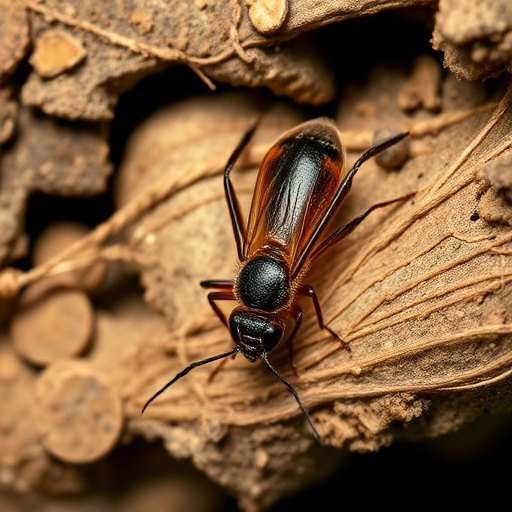
In severe cases of termite infestation, professional solutions become essential for effective termite control Tucson. The unique ecological landscape of Tucson presents specific challenges, with various species like subterranean termites and drywood termites posing distinct threats to structures. Subterraneans, prevalent in the region, are known for their extensive tunnel systems, often going undetected until significant damage occurs. Drywood termites, though less numerous, can cause rapid destruction due to their habit of nesting in wood above ground level.
Professional termite control Tucson involves a multi-faceted approach tailored to these challenges. Experts employ advanced techniques such as termiticide applications, targeted baits, and heat treatments for severe infestations. Termiticide barriers are strategically placed around properties to prevent termites from entering, while baits attract and eliminate termites without harming nearby vegetation or pets. Heat treatments, particularly effective against drywood termites, use intense heat to kill all stages of termite life cycles. These methods ensure comprehensive coverage and minimize environmental impact.
Regular inspections are a cornerstone of professional termite control Tucson. Regular monitoring helps detect infestations early when damage is minimal and treatment costs are lower. Professionals utilize advanced equipment like moisture meters and termite sniffing dogs to identify signs of activity. Prompt action on these findings can prevent extensive structural damage, saving homeowners significant expenses in the long run. Moreover, professionals stay abreast of industry developments, ensuring that treatments remain effective against evolving termite species and behaviors.
The Tucson area is home to several termite species, necessitating a comprehensive understanding of their presence and effective control methods. By identifying common local species through observable signs, residents can proactively address infestations early on. Natural termite control in Tucson naturally revolves around employing eco-friendly strategies, such as minimizing moisture, maintaining structural integrity, and utilizing beneficial insects or plant extracts. However, for severe cases, professional termite treatment offers guaranteed solutions, ensuring the protection of homes and properties. This article equips readers with crucial insights into managing termites, empowering them to take immediate action towards effective termite control Tucson naturally while also knowing when to seek expert assistance.