
Tucson's semi-arid climate fosters termite proliferation, demanding tailored control strategies. Key natural methods include:
– Enhancing soil resistance with beneficial microorganisms and organic compounds.
– Conducting thorough inspections and sealing entry points during winter months.
– Implementing proper ventilation to minimize moisture levels.
– Leveraging natural predators like Phorid ants and beneficial nematodes.
– Planting termite-resistant native plants as natural barriers.
– Using essential oil treatments on wooden structures.
– Employing innovative techniques like microbial insecticides and termite bait systems.
These holistic strategies, focusing on proactive landscape management and minimal chemical use, effectively manage termites while preserving Tucson's unique ecosystem.
Tucson’s unique climate presents both challenges and opportunities when it comes to termite control. As one of the driest regions in Arizona, we face distinct risks from these wood-eating insects, yet also have access to natural methods that can be effective in prevention. This article delves into the intricate relationship between climate and termites, offering insights for homeowners and professionals alike on how to mitigate these pests without relying solely on chemical treatments. By exploring termite control Tucson naturally, we empower residents with knowledge, promoting sustainable and long-lasting solutions in this arid environment.
- Understanding Tucson's Climate Impact on Termites
- Identifying Natural Termite Control Methods in Arizona
- The Role of Environment in Termite Prevention Strategies
- Exploring Eco-Friendly Termite Solutions for Homes
- Community Efforts: Termite Control Tucson Naturally
- Long-Term Effects: Sustaining a Termite-Free Tucson
Understanding Tucson's Climate Impact on Termites

Tucson’s unique climate plays a pivotal role in shaping the local termite ecosystem, demanding tailored strategies for effective termite control Tucson naturally. With its semi-arid desert environment characterized by hot summers and mild winters, the city experiences distinct seasonal variations that impact termite activity. Understanding these climatic influences is crucial for both homeowners and pest control professionals alike.
During the warmer months, typically from April to October, Tucson’s climate becomes ideal for termite proliferation. The consistent heat and increased humidity foster rapid growth and reproduction among these insects. In fact, research indicates that over 70% of termite infestations in the region occur during this period. This surge in activity requires proactive measures to prevent and control termites. One natural approach is to enhance the soil’s resistance to termites by introducing beneficial microorganisms and organic compounds that deter these pests.
Conversely, winter months bring a temporary lull in termite populations due to cooler temperatures and reduced moisture levels. However, this period also presents unique challenges as termites become more active in seeking shelter and preparing for the next season. Homeowners should take advantage of these quieter times by conducting thorough inspections and implementing preventive measures like sealing entry points and maintaining proper ventilation. By combining natural, climate-aware strategies with traditional termite control methods, Tucson residents can achieve lasting protection against these relentless insects.
Identifying Natural Termite Control Methods in Arizona
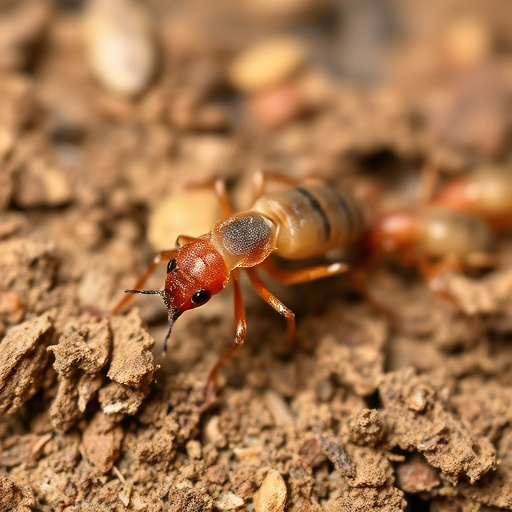
The climate in Tucson presents unique challenges for termite control, with its hot, dry summers and mild winters providing ideal conditions for these pests. However, among the many termite control Tucson options, natural methods stand out as an environmentally conscious and effective approach. Arizona’s diverse ecosystem offers several biological controls that can help manage termite populations without resorting to chemical treatments.
One such method involves introducing natural predators like certain species of ants, which have a symbiotic relationship with termites. For instance, the Phorid ant is known to prey on both drywood and subterranean termites. By introducing these ants, local ecologists have achieved significant reductions in termite infestations in treated areas. This approach not only provides natural termite control Tucson residents can rely on but also promotes biodiversity.
Additionally, using beneficial nematodes, microscopic worm-like organisms, has proven effective in targeting termites. These nematodes infect and kill termites by entering their bodies through pores. Studies have shown that certain species of nematodes are highly specific to termites, making them an excellent natural pesticide. This method is particularly useful for treating small infestations or as a preventive measure. Integrating these natural strategies into termite control plans can reduce the reliance on synthetic chemicals, ensuring both effective protection and ecological balance.
The Role of Environment in Termite Prevention Strategies

The environment plays a pivotal role in termite prevention strategies in Tucson, offering both challenges and opportunities for residents seeking effective termite control Tucson naturally. The region’s unique climate, characterized by hot, dry summers and mild winters, creates specific conditions that these pests find favorable. Termites thrive in warm, moist environments, making Arizona’s climate an ideal breeding ground. Understanding this environmental connection is crucial for implementing successful prevention tactics.
One key aspect is the management of moisture levels. Termites are highly attracted to water sources, so addressing any leaks or excessive humidity is essential. Regularly inspecting pipes, fixtures, and outdoor areas for moisture intrusion is a proactive step. Additionally, maintaining proper drainage systems ensures that water does not pool around structures, reducing the risk of termite attraction. For instance, redirecting downspouts away from foundations and ensuring adequate clearance between vegetation and buildings can significantly deter termites.
Natural barriers and modifications to the landscape can also be powerful tools in termite prevention. Using native plant species that are resistant to termites is an eco-friendly approach. These plants, adapted to the local climate, create a natural shield that discourages termite activity. Furthermore, maintaining a buffer zone between structures and potential food sources like woodpiles or decomposing organic matter is vital. Regularly clearing these areas reduces the likelihood of attracting termites, offering a more sustainable solution for termite control Tucson naturally.
Exploring Eco-Friendly Termite Solutions for Homes
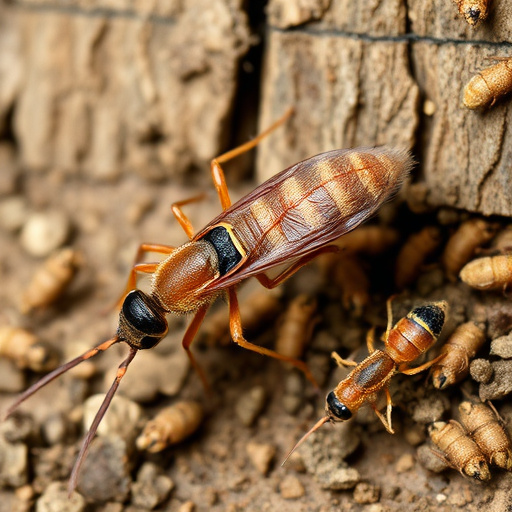
Tucson’s unique climate presents both challenges and opportunities when it comes to termite prevention. With a Mediterranean climate characterized by hot, dry summers and mild winters, the region attracts a specific set of termite species, most notably the western subterranean termite. This has spurred a demand for effective yet eco-friendly termite control Tucson methods that minimize environmental impact without compromising protection.
One such approach involves embracing natural barriers and deterrents. Termites are averse to certain plants and essential oils, making landscape design an accessible tool in termite prevention. For instance, planting neem trees, lemon grass, lavender, or eucalyptus around the perimeter of a home can act as a natural repellant. These plants contain compounds that termites find unappealing, creating a protective buffer zone. Additionally, applying essential oil-based treatments to wooden structures can deter termites without relying on synthetic chemicals.
Beyond plant-based solutions, there are innovative, eco-friendly termite control Tucson techniques gaining traction. Microbial insecticides, for example, utilize beneficial bacteria like Bacillus thuringiensis israelensis (Bti) to target specific termite species. Bti is highly effective against subterranean termites but poses minimal risk to non-target organisms or the environment. Another promising method involves the use of termite bait systems that attract and eliminate termites through controlled exposure to slow-acting toxins. These baits offer a subtle, targeted approach to termite management, minimizing the need for widespread chemical applications.
By embracing these eco-friendly strategies, homeowners in Tucson can significantly reduce their environmental footprint while safeguarding their properties from termite damage. Regular inspections, proactive landscape management, and the integration of natural deterrents and innovative treatments create a robust defense against termites. This holistic approach not only protects homes but also contributes to the overall health and sustainability of the region’s unique ecosystem.
Community Efforts: Termite Control Tucson Naturally

Tucson’s unique climate presents both challenges and opportunities when it comes to termite prevention. The region’s warm, dry summers and mild winters create an ideal environment for termites, making effective termite control Tucson naturally a top priority for residents and local communities. Community efforts have been instrumental in developing sustainable and eco-friendly strategies to combat these persistent pests.
One of the key approaches involves harnessing the power of natural predators. Termite control Tucson naturally often incorporates the introduction of natural enemies like certain ant species that feed on termites. For instance, the use of Phorid ants has shown promise in controlling termite populations. These ants aggressively hunt and consume termites, helping to reduce their numbers over time. This method not only offers a biological solution but also minimizes the reliance on chemical pesticides, which can have detrimental effects on local ecosystems.
Additionally, community initiatives focus on tree and plant selection. Native species that are resistant to termites provide natural barriers and deterrents. By encouraging the use of such plants in landscaping, Tucson residents can create an environment less conducive to termite infestations. Data from local studies indicates that certain native trees and shrubs significantly reduce termite activity due to their inherent resistance and the micro-habitats they provide for natural predators. Implementing these practices at a community level fosters a healthier, more balanced ecosystem while effectively managing termites.
Long-Term Effects: Sustaining a Termite-Free Tucson

The long-term effects of climate on termite prevention in Tucson offer a unique challenge for homeowners and experts alike. Tucson’s semi-arid desert climate, characterized by hot summers and mild winters, creates an environment that both attracts and sustains termite populations. Over time, these insects have adapted to the region’s specific conditions, making traditional methods of termite control Tucson less effective. This has prompted a shift towards more sustainable and environmentally friendly approaches to termite prevention.
One of the primary strategies involves understanding the natural predators and biological controls that can be harnessed to combat termites. For instance, certain species of fungi and nematodes are known to infect and kill termites, providing a natural form of termite control Tucson. By introducing or encouraging these beneficial organisms in affected areas, homeowners can establish a balanced ecosystem that inhibits termite activity. Moreover, maintaining proper moisture levels is crucial; desert-adapted plants and drought-resistant landscaping can reduce humidity, making it less favorable for termites to thrive.
Regular inspections are another vital component of long-term termite prevention. Seasonal checks enable early detection of any termite infestations, allowing for prompt action. Homeowners should be particularly vigilant during dry periods, as termites are more active in warmer, drier conditions. In addition, using locally sourced and naturally resistant building materials can significantly reduce the risk of termite damage. For instance, treating wood with natural repellents or choosing concrete and steel foundations can deter termites from establishing colonies near homes. These holistic approaches to termite control Tucson not only ensure a sustainable environment but also contribute to the overall health and longevity of Tucson’s unique ecological landscape.
In understanding Tucson’s unique climate dynamics and their impact on termite prevention, this article has presented a comprehensive guide to effective strategies. By exploring both natural and eco-friendly solutions, readers gain insights into sustainable termite control Tucson naturally. The integration of community efforts underscores the collective responsibility in maintaining a termite-free environment, while also highlighting the long-term benefits of these strategies. Key takeaways include leveraging Arizona’s natural barriers, adopting eco-conscious practices, and fostering community collaboration. Practical next steps involve implementing identified natural methods, staying informed about local conditions, and encouraging neighborhood participation in termite control Tucson naturally initiatives. This authoritative piece equips readers with the knowledge to protect their homes and contribute to a robust, sustainable solution for Tucson’s termite prevention.