Understanding Termite Control in Tucson
Termites are a significant concern for homeowners and property managers across the United States, with Tucson, Arizona being no exception. Termite control in Tucson is a specialized field of pest management that focuses on identifying, managing, and eliminating termite infestations to protect structures from damage caused by these insects. The core components of termite control in Tucson include inspection, identification, treatment, monitoring, and prevention strategies tailored to the local environment and termite species prevalent in the area.
Historically, termite control measures have evolved significantly. Early methods included crude attempts at baiting and hand-digging Barrier Systems. Over time, the industry has seen advancements in chemicals, detection technologies, and a better understanding of termite behavior and ecology. This has led to more effective and less disruptive control methods.
Global Impact and Trends
The impact of termite control extends beyond local boundaries, influencing global landscapes. As urbanization increases worldwide, the demand for effective pest management solutions, including termite control, rises. Key trends shaping the trajectory of termite control include the development of eco-friendly and integrated pest management (IPM) approaches, advances in biological research to understand termite colonies better, and the growing need for sustainable practices that minimize environmental impact.
Different regions are affected by various species of termites, each with unique characteristics and control challenges. For instance, drier climates like Tucson’s may harbor different species than more humid areas, necessitating specialized knowledge and treatment methods.
Economic Considerations
The economic aspects of termite control in Tucson are multifaceted. It encompasses the pest control industry’s market dynamics, investment patterns by homeowners in preventative measures, and the broader impact on insurance, housing markets, and construction industries. Effective termite control is not only a protective measure but also a driver of economic activity, influencing real estate values and construction practices.
Investment in termite control can save property owners substantial costs associated with repairs and maintenance due to termite damage. Conversely, the pest control industry itself benefits economically from the growing demand for termite management services.
Technological Advancements
Technology plays a crucial role in modern termite control. Innovations such as thermal imaging, moisture sensors, and advanced detection dogs have significantly improved the ability to detect infestations early. Additionally, the development of more effective baits and repellents, along with the use of beneficial nematodes, has shifted from purely chemical-based solutions to a more holistic approach that is both efficient and environmentally friendly.
The future potential of technology in termite control is vast, with research into genetic engineering to create termite-resistant wood and improvements in monitoring systems that can alert homeowners and professionals to infestations remotely.
Policy and Regulation
Policies and regulations governing termite control in Tucson are critical for ensuring safety, effectiveness, and environmental stewardship. These frameworks dictate the types of chemicals and treatments allowed, the training required for pest management professionals, and the protocols for disposal and handling of materials.
The National Pest Management Association (NPMA) and local regulatory bodies like the Arizona Department of Agriculture provide guidelines that help shape best practices in termite control. These regulations are influenced by environmental concerns, public health considerations, and the evolving understanding of termite biology and behavior.
Challenges and Criticisms
Termite control in Tucson faces several challenges, including the development of resistant termite species, the protection of non-target organisms, and ensuring that control methods are both effective and safe for humans and pets. Critics often point to overreliance on chemical treatments and the potential for environmental contamination.
To address these issues, industry professionals advocate for a combination of strategies, including better monitoring systems, improved education for homeowners, and continued research into less invasive treatment options. The integration of IPM practices is also encouraged to create a more sustainable approach to termite control.
Case Studies
Several case studies illustrate the successful application of termite control measures in Tucson. One notable example involved a historic home with termites actively damaging wooden structures. Through a combination of baiting systems and targeted spot treatments, the infestation was eliminated without compromising the integrity of the property’s historical features. Another case study highlights the effective use of monitoring stations to detect early signs of termite activity, leading to preventative measures that saved the homeowner significant repair costs.
Future Prospects
The future outlook for termite control in Tucson is promising, with potential growth areas including the development of new technologies and the expansion of IPM practices. Emerging trends suggest a greater emphasis on public education, early detection, and sustainable treatment options. Strategic considerations will focus on adapting to climate change, understanding new termite species, and leveraging technology for more efficient and less intrusive interventions.
Conclusion
Termite control in Tucson is a critical component of property maintenance and environmental health. It encompasses a broad range of activities, from inspection and identification to treatment and prevention. The relevance of termite control cannot be overstated, as it directly impacts the safety and longevity of homes and buildings, the economic well-being of property owners, and the overall ecological balance within the region.
FAQs
-
What are the most common species of termites in Tucson?
- The most common species include the desert dampwood termite (Heterotermes aureus) and the arid-land subterranean termite (Schedorhinotermes meinerti).
-
How important is termite control for a homeowner in Tucson?
- Termite control is highly important due to the arid climate, which can lead to wood becoming more susceptible to infestation and damage. Regular inspections and preventative measures are essential for preserving property value and preventing costly repairs.
-
What technologies are used in modern termite control?
- Modern termite control uses a variety of technologies, including thermal imaging, moisture sensors, baiting systems, and monitoring devices. Advances in genetic engineering and remote-sensing technologies are also on the horizon.
-
Are there any sustainable or eco-friendly termite control options?
- Yes, there are several sustainable options such as beneficial nematodes, green baiting systems, and integrated pest management (IPM) approaches that minimize the use of chemical treatments.
-
How do regulations impact termite control practices in Tucson?
- Regulations influence termite control by setting standards for treatment methods, safety protocols, and the handling of materials. These ensure that practices are both effective and environmentally responsible.
Termite control Tucson requires recognizing signs like mud tubes, damaged wood, and structural cracks. Early detection is crucial to prevent extensive damage. Regular inspections by professionals are essential in high-risk areas like Tucson to identify infestations and provide tailored solutions. Watch for subtle clues like moisture levels and scent trails for hidden termites. Contact a termite control service immediately if you notice visible signs or musty odors.
“In the vibrant landscape of Tucson, homeowners and building managers must remain vigilant against a silent invader—termites. These relentless insects can cause significant structural damage if left unchecked. Our comprehensive guide equips you with the knowledge to identify signs of termite infestation in Tucson homes and buildings. From recognizing common damage patterns to detecting hidden activity, we explore crucial aspects of termite control Tucson residents need to stay informed about. Learn when it’s time to call for professional assistance and protect your investment.”
Recognizing Common Termite Damage in Tucson Homes
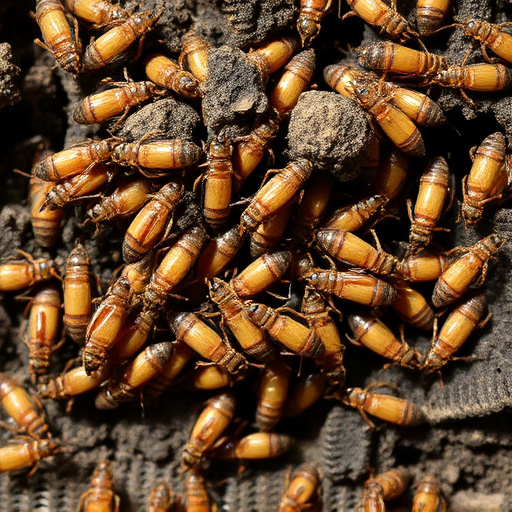
In Tucson homes, recognizing common termite damage is crucial for effective termite control. One of the most visible signs is the presence of mud tubes on walls or floors, which termites build to protect their colonies from predators and the elements. These tubes, often resembling small, dark veins, can extend from the ground up to wooden structures, indicating an active infestation.
Another common sign is wood that appears damaged, blistered, or hollow. Termites consume wood from the inside out, leaving only a thin outer shell. This can lead to structural damage over time. Cracks in foundations, floors, or walls might also suggest termite activity. Keep an eye out for weakened or saggy floors, uneven doors and windows, and cracks in baseboards—all potential red flags requiring further investigation by professional termite control Tucson services.
Signs of Active Termite Infestation
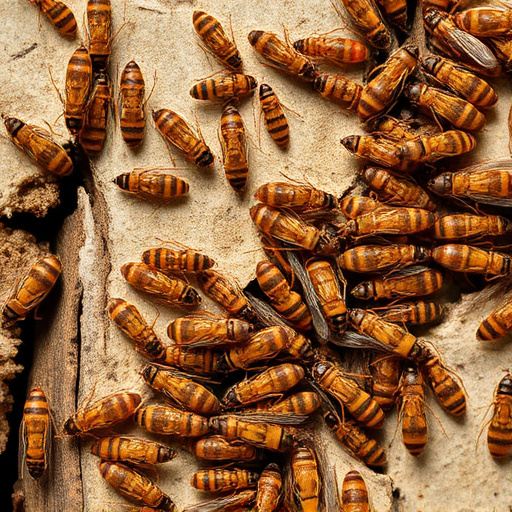
If you suspect a termite infestation in your Tucson home or building, it’s crucial to recognize the signs early on. Active termite infestations can cause significant structural damage if left untreated. One of the most noticeable indicators is the presence of mud tubes, often found along walls, floors, or ceilings. These tubes are built by termites for protection as they travel between their colonies and food sources. They resemble tiny, irregular tunnels and are typically made from wood dust and soil.
Another sign to look out for is wooden structures that appear damaged, weakened, or distorted. Termites feed on cellulose-rich materials, so beams, floorboards, and walls might show signs of decay, with visible cracks or holes. Keep an eye out for swarms of small insects; these could be winged termites, commonly known as alates, which are responsible for starting new colonies. Regular termite control treatments in Tucson can help prevent these issues, ensuring your property remains protected.
What to Look For: Termite Entry Points

Termites are skilled intruders, often finding their way into homes through seemingly hidden entry points. In Tucson homes and buildings, it’s crucial to be vigilant and aware of potential signs of termite infestation, especially in warmer climates where these pests thrive. One of the first steps in identifying an issue is understanding how termites gain access; they can enter structures in various ways. Look for any signs of wood damage or weakened structural elements, as termites often target these areas. Cracks in foundation walls, floorboards, or ceiling tiles could indicate their presence, especially if combined with noticeable mud tubes (a common termiticide) along baseboard edges or around windows and doors.
Pay close attention to areas where wood meets soil, such as doorframes, window sills, and garage doors, as these are favorite entry points for termites. If you notice any abnormal sagging, bending, or swelling of wooden structures, it might suggest an ongoing termite problem. Termites also leave behind distinctive waste, known as frass, which resembles sawdust; its presence could signal an active infestation. Early detection is key to effective termite control in Tucson, so regular inspections are recommended to safeguard your property from these relentless intruders.
Detecting Hidden Termite Activity

Termites are elusive creatures, often hiding out of sight within walls and structures. Detecting their hidden activity is crucial for effective termite control Tucson residents need. While visible signs like mud tubes or wooden structure damage may indicate an active infestation, many times termites operate discreetly beneath the surface.
Homeowners should be vigilant for subtle clues that suggest these silent invaders are at work. Regular inspections by a professional pest controller can identify problem areas and provide valuable insights into termite behavior patterns. Through advanced detection methods, including moisture readings and scent trails, experts can pinpoint hidden infestations before they cause significant structural damage, ensuring timely and effective termite control solutions in Tucson’s climate-prone areas.
When to Call for Termite Control Services

If you suspect an infestation, don’t delay; early detection is key in effective termite control. Termites can cause extensive damage to your home over time, so it’s crucial to act promptly. Contacting a professional termite control service in Tucson is recommended when you notice any of these signs: wooden structures or furniture showing signs of damage, visible swarms of termites, noticeable mud tubes on walls or floors, or peculiar musty odours.
Regular inspections by experts are essential, especially in regions known for termite activity like Tucson. They can identify even the earliest indications of an infestation and provide tailored solutions to safeguard your property. Don’t ignore subtle signs; they could indicate a full-blown problem that requires professional termite control Tucson services to mitigate and prevent further damage.
In conclusion, identifying signs of termite infestation early is key to effective termite control in Tucson homes and buildings. By learning to recognize common damage, understanding active infestations, and locating entry points, property owners can take proactive measures. If you suspect a termite problem or want to prevent one, don’t delay; contact professional termite control services in Tucson to protect your investment.