
In Tucson's desert climate, understanding termite behavior is crucial for seasonal prevention. Termites are attracted to moisture and wood, peaking during warm months. Precautions include proper drainage, eliminating standing water, addressing wood-to-soil contact, and regular inspections by experts. Natural controls like beneficial insects or plant-derived repellents, along with maintaining a well-trimmed landscape, offer effective prevention methods. Termite infestations cause significant damage if undetected, requiring prompt action on signs such as wood damage, peeling paint, warped floors, and "termite tunnels."
Natural termite control Tucson naturally strategies include essential oils like neem oil, repelling termites for up to 12 months. Complementing traditional methods with herbs like marigolds and lemongrass, adjusting property environment, and reducing wood-to-soil contact provides a comprehensive, sustainable solution. Regular inspections, eliminating food sources, and introducing beneficial insects are key strategies during summer's high humidity levels.
By implementing preventive measures like fixing leaks, improving drainage, and addressing wood debris, homeowners can minimize termite damage risk year-round through natural termite control Tucson naturally. Holistic approaches combining physical barriers, natural repellents, and biological methods offer efficient, eco-conscious protection for Tucson properties.
Termites are a significant concern for homeowners in Tucson, causing extensive damage to structures if left unchecked. Seasonal variations play a crucial role in their activity, making proactive termite control Tucson naturally an essential practice for property owners. This article delves into the intricate world of termite behavior and offers valuable insights into seasonal prevention strategies. By understanding the patterns that these pests follow, homeowners can implement effective measures to safeguard their investments. We provide actionable tips tailored to the unique challenges faced by Tucson residents, ensuring a robust defense against termites and promoting long-lasting property integrity.
- Understanding Termite Behavior in Tucson's Climate
- Identifying Signs of Termite Infestation Early
- Natural Repellents for Effective Termite Control Tucson
- Seasonal Preparations: Spring and Summer Strategies
- Maintenance Tips to Prevent Termite Damage Year-Round
- Expert Advice on Safe and Eco-Friendly Termite Management
Understanding Termite Behavior in Tucson's Climate

Understanding termite behavior is crucial for effective seasonal prevention in Tucson’s unique climate. This desert environment presents specific challenges for homeowners due to its warm temperatures year-round, high humidity during monsoon seasons, and abundant organic material like wood, which termites thrive on. Termites are attracted to moisture and seek out woody structures, making them particularly prevalent in areas with frequent rainfall or irrigation. In Tucson, where wildfires can also create a favorable environment for termite infestation, proactive measures are essential.
Termite activity typically peaks during the warmer months when their metabolic rates increase, allowing for faster growth and reproduction. They establish colonies and expand their networks of tunnels and tubes, often remaining hidden beneath the ground or within wooden structures. Understanding this behavior allows property owners to take targeted precautions. For instance, ensuring proper drainage around the house, eliminating standing water, and addressing wood-to-soil contact by creating barriers can significantly deter termites. Regular inspections by termite control Tucson naturally experts are also recommended to identify potential problems early on.
Data from local pest control services reveals that over 50% of homes in Tucson’s urban areas show signs of termite damage, with some cases dating back decades. This highlights the need for consistent prevention strategies. Homeowners can implement natural controls like introducing beneficial insects that prey on termites or using repellents derived from plants known to deter them. Maintaining a well-trimmed landscape and removing dead wood nearby is another effective strategy. By combining these natural methods with professional termite control Tucson naturally services, property owners can effectively manage and prevent infestations, safeguarding their investments for years to come.
Identifying Signs of Termite Infestation Early
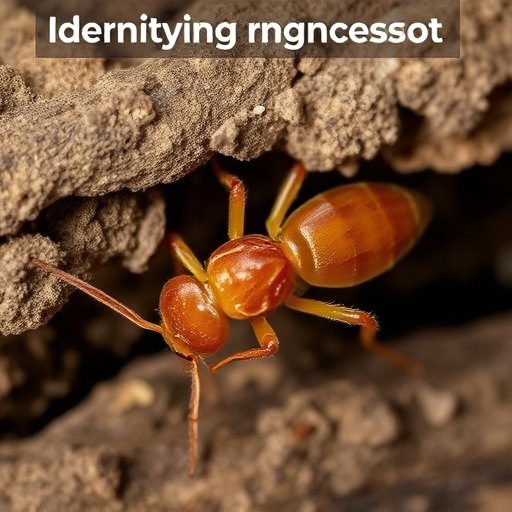
Termite infestations can cause significant damage to Tucson properties if left undetected. Early detection is key to minimizing structural harm and preventing costly repairs. Homeowners should be vigilant in identifying signs of an early termite infestation, as these insects are known for their stealthy nature. Termites quietly work away at wood structures, often going unnoticed until the problem escalates.
One of the most subtle yet critical indicators is wood damage. Termites feed on cellulose, a component in various types of wood. As they tunnel through wooden beams and planks, they create weak spots that can be detected by visual inspection or feeling for any signs of softness or bulges. For example, if you notice peeling paint or warped floors, it could indicate an underlying termite problem. Additionally, keeping an eye out for small, distinct holes in wood surfaces is essential; these are often entry points for termites. Termite control Tucson naturally begins with proactive measures to prevent such damage. Regular inspections by professional technicians can identify potential issues early on, allowing for prompt treatment.
Another early warning sign is the presence of mud tubes or “termite tunnels.” These are distinct structures made from wood dust and mud, creating a network along foundation walls or within wooden elements of a structure. Termites build these tubes as protective passageways to their colony. When these tubes are visible, it’s a clear indication that termites have established a presence nearby. Homeowners should also be alert for increased activity from flying ants, as they often signal the proximity of termite nests. Prompt action is crucial; addressing these signs early can save thousands in potential repairs and ensure the structural integrity of Tucson properties.
Natural Repellents for Effective Termite Control Tucson

Termites are a significant pest problem in Tucson, causing extensive damage to properties if left unchecked. However, traditional termite control methods can be costly and potentially harmful to the environment. Fortunately, natural repellents offer an effective and eco-friendly alternative for termite control Tucson naturally. Essential oils like lemon, peppermint, and neem oil have been shown to deter termites due to their strong scents, which disrupt the insect’s navigation system. For instance, a study by the University of Florida found that treated wood with neem oil repelled termites for up to 12 months.
Integrating natural solutions into your termite prevention strategy can complement traditional methods or serve as a standalone approach. Planting specific herbs and flowers known to repel termites around your property is one practical method. Marigolds, for example, contain pyrethrum, a natural insecticide that deters both termites and other pests. Similarly, lemongrass, lavender, and basil have been traditionally used for their termite-repellent properties. Regularly trimming these plants and placing them strategically can create a natural barrier against termite infestation.
In addition to plant-based repellents, adjusting your property’s environment can also be effective. Termites are attracted to moisture, so proper drainage and ventilation in crawl spaces and basements are crucial. Reducing wood-to-soil contact by raising wooden structures or replacing exposed wood with termite-resistant materials is another critical step. Using natural, non-toxic barriers like diatomaceous earth or boric acid powder along foundation walls can also deter termites from entering homes. Regular inspections and maintenance, coupled with these natural repellents, provide a comprehensive and sustainable solution for termite control Tucson naturally.
Seasonal Preparations: Spring and Summer Strategies

As spring blossoms and summer arrives in Tucson, it’s crucial to implement strategic termite control measures to protect your property from these relentless pests. Termites are particularly active during these seasons, fueled by the warmer temperatures and increased moisture levels that create ideal conditions for their proliferation. While chemical treatments have long been the go-to method for termite control Tucson, many homeowners and professionals now prioritize natural, eco-friendly solutions that minimize environmental impact without compromising effectiveness.
Spring marks the beginning of active termite season in Tucson, making it a critical time for prevention. During this period, termites emerge from their winter dormancy, and queen termites establish new colonies. To counter this, regular inspections are essential. Homeowners should meticulously examine their properties, looking for signs like mud tubes (termite trails), wood damage, or swarms of small insects. For those committed to natural termite control Tucson, maintaining a robust defense starts with eliminating potential food sources. This involves sealing entry points, repairing water leaks, and ensuring proper ventilation in attics and crawl spaces. Additionally, introducing beneficial insects like nematodes or using repellents derived from plants like neem oil can deter termites naturally.
Summer intensifies the termite challenge due to increased humidity levels that facilitate their survival. To stay ahead, regular treatment plans should be implemented. Organic options include applying borate-based treatments or creating physical barriers around at-risk areas using materials like diatomaceous earth. The latter not only acts as a barrier but also desiccates termites when they come into contact with it. Termite monitoring stations placed strategically can also provide early warning signs of an infestation, allowing for swift action. By combining these natural termite control Tucson methods with diligent maintenance, homeowners can significantly reduce the risk of damage caused by these relentless insects.
Maintenance Tips to Prevent Termite Damage Year-Round

Termite damage is a significant concern for homeowners in Tucson, with the region’s warm, dry climate creating an ideal environment for these pests. While professional termite control Tucson services offer effective solutions, proactive measures are essential to prevent infestations year-round. Regular maintenance and inspection are the cornerstones of safeguarding your property from termite intrusion. A diligent homeownership approach can mitigate risks and minimize the need for extensive repairs later.
Focus on keeping your property well-maintained and visually inspected at least bi-annually. Termites thrive in moisture, so addressing any water leaks or sources of standing water immediately is crucial. Ensure proper drainage around your foundation, repair leaky faucets or pipes, and consider installing a drip system to keep the soil around your home drier. Regularly clean gutters to prevent moisture buildup and wood debris accumulation, which can attract termites. Additionally, maintain a 1-3 meter buffer zone between your property and any wooded areas by removing dead or decaying wood, as these materials serve as attractive food sources for termites.
Regular inspections are vital to identifying potential termite activity early on. Look for signs such as mud tubes (termite highways), wooden structural damage, or swelling walls. If you suspect an issue, consult with a professional pest control expert who can perform thorough examinations and provide tailored advice. By combining these preventive measures with regular professional assessments, Tucson homeowners can effectively manage termite control naturally and protect their investments from costly damage.
Expert Advice on Safe and Eco-Friendly Termite Management

Termite infestations are a significant concern for homeowners in Tucson, Arizona, but there’s a growing trend towards safer, more eco-conscious solutions for termite control Tucson naturally. As these pests can cause extensive damage to structures, particularly during the warmer months, proactive measures are essential. The good news is that by implementing some simple yet effective strategies, residents can effectively prevent and manage termite activity without resorting to harsh chemicals.
Experts in pest management suggest a holistic approach, focusing on creating an environment that discourages termites while maintaining the health of the ecosystem. This involves both physical barriers and biological controls. For instance, sealing entry points such as cracks and gaps around doors and windows is crucial, as these are common pathways for termites. Using natural repellents like neem oil or boric acid can also be effective; when applied correctly, these substances act as termiticides without the harmful environmental impact of traditional chemicals.
Additionally, introducing beneficial insects like nematodes or spiders can be a game-changer in termite control Tucson naturally. These tiny predators feed on termites, helping to keep their populations in check. Data from recent studies shows that biological methods can be equally, if not more, effective than chemical treatments, with the added benefit of being safer for pets and local wildlife. By combining these strategies, homeowners can create a robust defense against termites while contributing to a more sustainable environment.
By understanding termite behavior in Tucson’s unique climate and implementing targeted seasonal strategies, property owners can effectively prevent and manage these persistent pests. Early identification of signs of infestation is key, allowing for prompt action using natural repellents. Spring and summer preparations, coupled with year-round maintenance practices, offer robust defenses against termites. The article highlights the importance of eco-friendly, safe termite control methods in Tucson, emphasizing that proactive measures can significantly reduce the risk of damage. Armed with this knowledge, readers are now equipped to take charge of their properties’ termite control naturally and ensure a durable, pest-free environment.