Termite control Tucson is vital due to Western Subterranean Termites and Arizona's climate. Early detection through inspections is key. Effective methods include organic (drainage, maintenance), physical (barriers), chemical (treatments), and natural (beneficial insects, repellents) approaches. Regular professional inspections, sealing entry points, and proper drainage protect against infestations. Integrating these strategies offers long-term protection for Tucson homes through termite control Tucson naturally.
Termites are a significant concern for homeowners in Tucson, posing a subtle yet severe threat to residential properties. These relentless insects can cause extensive damage over time, leading to costly repairs or even the loss of valuable real estate. Identifying termite risks early is crucial for preserving the structural integrity and long-term value of homes in this region. This article delves into the intricacies of termite behavior, common signs of infestation, and offers practical guidance on effective termite control Tucson methods, empowering residents with the knowledge to protect their investments naturally.
- Understanding Termite Behavior in Tucson Homes
- Identifying Signs of Termite Infestation Early
- Evaluating Your Property's Susceptibility to Termites
- Natural Termite Control Methods for Tucson Residents
- Professional Termite Inspection and Prevention Tips
- Long-Term Strategies for Protecting Against Termites
Understanding Termite Behavior in Tucson Homes

In Tucson, understanding termite behavior is paramount for homeowners seeking to protect their investments. Termites are highly adaptive creatures, often burrowing into homes unnoticed, feeding on wood and other cellulosic materials. Local species like the Western Subterranean Termite are particularly prevalent, known for their extensive tunnel systems that can span up to 150 feet in every direction from the colony’s entrance. This intricate network allows termites to access a vast area of potential food sources, making Tucson homes especially vulnerable if proper precautions aren’t taken.
Termite activity in the region is influenced by Arizona’s arid climate, which provides both challenges and opportunities for these insects. While dry conditions can slow their metabolic processes, occasional monsoon seasons offer brief periods of moisture crucial for colony growth. Termites are also attracted to sources of wood, commonly found in construction materials used in Tucson homes, such as timber frames, floor joists, and even cardboard boxes stored indoors. Homeowners must remain vigilant, as early detection is key to effective termite control Tucson naturally relies upon. Regular inspections by certified professionals can identify signs like mud tubes (termite highways) or wood damage, allowing for prompt action before infestations escalate.
Effective termite control in Tucson involves a multi-faceted approach. Organic, natural methods include maintaining proper drainage around the property and reducing potential entry points by eliminating wood contact with soil. Physical barriers like metal mesh and chemical treatments targeted at specific areas can also be employed. However, proactive measures are equally important; regular maintenance checks, sealing off potential access points, and keeping the exterior of the home clean and free from debris all contribute to a less inviting environment for termites. By understanding termite behavior and integrating these strategies, Tucson homeowners can significantly reduce their risk of these persistent pests.
Identifying Signs of Termite Infestation Early

Termites are a significant concern for homeowners in Tucson, known for their destructive potential to wooden structures. Early identification of termite infestation signs is crucial for effective termite control Tucson naturally and minimizing damage. A proactive approach allows property owners to take swift action before these insects cause irreversible harm. One of the first indicators to watch for is visible damage to wood, which may appear as discolored or weakened walls, floors, or ceilings. Termites often leave distinctive patterns of erosion, resembling tunnels or chewed edges, particularly in wooden beams and floorboards. Homeowners should be vigilant about any signs of warping, cracking, or bulging in these areas.
Regular inspections are key to early detection. Residents can conduct routine checks by examining wooden elements, especially in dark, damp spaces like basements, attics, and crawl spaces—their preferred habitats. Termite droppings (frass) resembling small, gritty piles or powdery substance near wood structures are another red flag. Moreover, paying attention to mysterious holes in wood or seeing live termites can be early indicators of an active infestation. Proactive homeowners should also be mindful of changes in floor levels or door/window misalignment, as these could suggest foundation damage caused by termites.
Termite control experts in Tucson recommend annual inspections for optimal protection. By acting swiftly upon discovering any signs, property owners can minimize the need for extensive termite control treatments and preserve their investment. Early intervention is not only cost-effective but also ensures the structural integrity of the home remains intact.
Evaluating Your Property's Susceptibility to Termites
Evaluating your property’s susceptibility to termites is a critical step in safeguarding your Tucson residential investment. Termites are invisible invaders that can cause significant structural damage over time, making early detection crucial. In Tucson, with its warm climate and diverse vegetation, certain areas present higher risks than others. Understanding these risk factors is essential for proactive termite control Tucson naturally.
One of the primary indicators of a termite problem is proximity to sources of moisture or wood-based materials. Termites are attracted to water, and consistent humidity can accelerate their activity. In Tucson’s arid environment, improper landscaping, leaky pipes, or inadequate drainage can create ideal habitats for termites. For instance, storing wooden pallets or other cellulose-rich materials near your home without regular inspection is an invitation for termite infestation. Regularly inspecting your property for signs of moisture intrusion and addressing any leaks promptly is a fundamental step in termite prevention.
Additionally, certain types of wood used in construction can be more susceptible to termite damage. Softwoods like pine or cedar, especially if untreated, are preferred food sources for termites. In contrast, treated woods with chemical preservatives offer better protection. Homeowners should consider the type and age of building materials when assessing their property’s vulnerability. Regular maintenance, including refinishing or replacing damaged wood, can deter termites. Termite control Tucson naturally involves embracing methods that minimize termite attraction and promote a healthier, less inviting environment for these pests.
Natural Termite Control Methods for Tucson Residents

Tucson’s unique climate presents both challenges and opportunities when it comes to termite control. While the region’s arid conditions naturally deter some termite species, others have adapted to thrive in these desert environments. For homeowners in Tucson, understanding natural termite control methods is crucial for protecting their properties. Unlike chemical-heavy traditional treatments, these organic alternatives focus on harnessing the power of nature to combat termites without compromising environmental health.
One effective natural approach involves the introduction of beneficial insects, such as nematodes and predators like spiders and ants. These tiny invaders can be highly targeted and selective in their attack on specific termite species, causing minimal harm to other insects or the environment. For instance, Steinernema felti, a type of nematode, infects and kills termites by penetrating their bodies. This method has shown success in controlling desert-dwelling termite species prevalent in Tucson areas. Additionally, using natural repellents like lemon grass, neem oil, and citrus peels can deter termites from infesting structures, providing an environmentally friendly barrier.
Homeowners in Tucson can also implement structural changes to reduce potential entry points for termites. Maintaining a one-foot buffer zone between soil and wooden elements, ensuring proper drainage away from buildings, and using termite-resistant building materials are practical steps. Regular inspection is another vital component of natural termite control Tucson residents can adopt. Identifying signs early on, such as mud tubes or wood damage, allows for timely intervention using natural methods before infestations escalate. By combining these strategies, Tucson residents can effectively manage termite risks while promoting a healthier and more sustainable environment.
Professional Termite Inspection and Prevention Tips
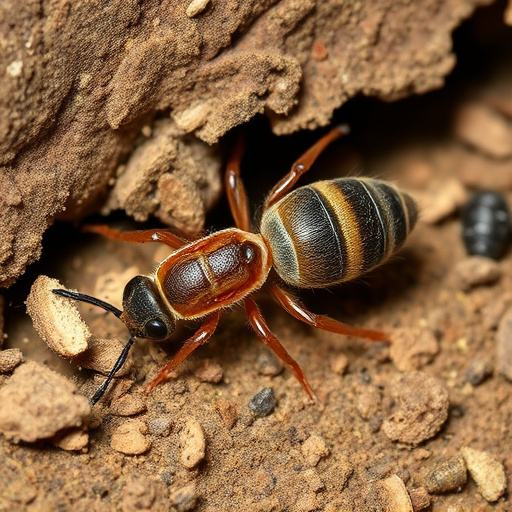
Identifying termite risks is paramount when it comes to maintaining a Tucson residential property. A professional termite inspection should be at the top of every homeowner’s to-do list, especially given Arizona’s climate—a prime environment for these pests. Termites cause billions of dollars in damage annually, and early detection through methodical inspections can significantly mitigate this risk.
During an inspection, experts will meticulously examine the property’s exterior and interior, focusing on areas prone to infestation such as wooden structures, foundations, and basements. They use advanced tools like moisture meters, thermal imaging cameras, and termiticides with fluorescent markers to uncover hidden termite activity. In Tucson, where native species like the Western Subterranean Termite are prevalent, these inspections become even more critical.
Prevention is key in termite control Tucson naturally. Once identified, actionable steps should be taken to seal entry points and eliminate potential food sources. Regular maintenance, including repairing leaks, ensuring proper ventilation, and promptly addressing wood damage, can deter termites. Homeowners should also consider implementing physical barriers like metal mesh or chemical treatments applied by professional termite control services in Tucson. These measures not only protect against current infestations but also serve as a robust defense mechanism against future termite risks.
Long-Term Strategies for Protecting Against Termites

Long-term strategies for protecting against termites are paramount for Tucson homeowners, given the region’s favorable climate and the persistent threat of these wood-destroying insects. Termites can cause significant structural damage over time, making proactive measures essential. One effective approach is to implement a comprehensive termite control Tucson naturally strategy that leverages environmental factors and non-chemical treatments.
Regular inspections are key. Annual or bi-annual professional assessments can identify early signs of termite activity before substantial damage occurs. Homeowners should look for mud tubes along foundations, wooden structural members, or any visible evidence of termites. Additionally, maintaining a buffer zone between your home and the surrounding environment is crucial. This includes removing organic debris, ensuring proper drainage to prevent moisture buildup, and trimming trees and shrubs away from the building exterior. Termites are attracted to moisture and organic material, so minimizing these factors significantly reduces risk.
Natural termite control methods further include introducing beneficial insects that prey on termites or using biodegradable repellents derived from essential oils. For instance, neem oil, a natural compound, has shown effectiveness in repelling termites. Incorporating these strategies into a broader maintenance plan can provide lasting protection, offering an environmentally friendly alternative to conventional chemical treatments while ensuring the structural integrity of Tucson residences over the long term.
After exploring the comprehensive guide on termite control Tucson naturally, readers are now equipped with invaluable knowledge to protect their residential properties from these relentless pests. Key insights include understanding termite behavior specific to Tucson homes, recognizing early signs of infestation, and evaluating susceptibility through strategic assessments. The article introduces effective natural termite control methods suitable for Tucson residents, alongside professional inspection and prevention tips for long-term protection. By implementing these strategies, homeowners can safeguard their investments, ensuring a secure and pest-free environment. This authoritative resource serves as a reliable guide, empowering folks to take proactive measures against termites in their Tucson residences.