
Termites pose a significant threat to Tucson properties due to the desert climate. Key strategies for termite control Tucson naturally include: addressing moisture issues, maintaining proper buffer zones, regular plant trimming, thorough inspections, sealing entry points, using natural repellents like neem oil, and community initiatives promoting sustainable practices. Early detection through regular inspections is crucial to prevent structural damage. Combining natural methods with professional treatments offers optimal protection.
Termites are a significant concern for property owners in Tucson, causing extensive damage to homes and structures if left unchecked. These relentless insects can infiltrate the most meticulously maintained properties, making early detection and effective termite control Tucson naturally paramount. With their ability to chew through wood and leave behind silent, destructive trails, it's crucial to understand how to prevent infestations before they commence. This article provides an in-depth guide to tackling this pervasive issue, offering practical strategies for safeguarding your investment and ensuring a secure living environment.
- Understanding Termite Behavior in Tucson's Climate
- Identifying Signs of a Termite Infestation Early
- Natural Prevention Measures for Your Home
- Essential Maintenance Tips to Deter Termites
- Safe and Effective Termite Control Tucson Options
- Long-Term Strategies for Protecting Your Property
Understanding Termite Behavior in Tucson's Climate
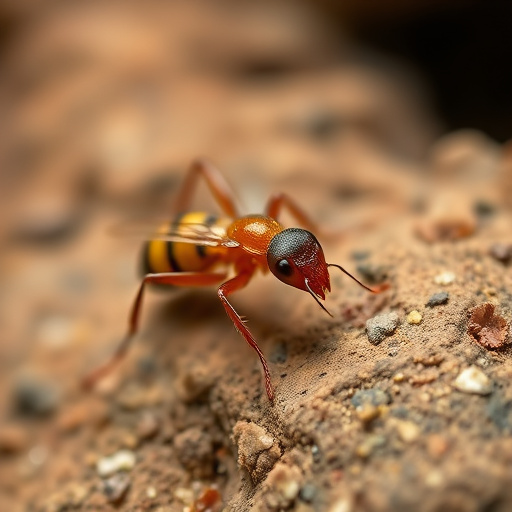
Termites are a persistent threat to Tucson's diverse range of properties, with their insidious nature posing significant challenges for homeowners and property managers alike. Understanding these insects' behavior in our unique desert climate is crucial for developing effective prevention strategies. The arid conditions of Tucson create an environment that both attracts termites and limits natural control mechanisms. Subterranean termite species, the most prevalent in this region, thrive in moist wood and soil interfaces, making them particularly adept at infesting homes with inadequate protection.
The behavior of termites is driven by their colony structure and nutritional requirements. Worker termites constantly forage for food sources, often traveling several hundred feet to reach susceptible wood. In Tucson, they are particularly drawn to the cellulose in wooden structures, from foundation beams to fence posts and deck supports. Termite swarms, a visible sign of colony expansion, can occur during certain times of the year, further emphasizing the need for proactive measures. By understanding these behaviors, homeowners can implement targeted termite control Tucson naturally strategies, such as reducing wood-to-soil contact and eliminating potential food sources.
Regular inspections are paramount to identifying early signs of infestation. Homeowners should be vigilant for mud tubes (termite highways) along foundations and walls, wood damage, or swarms of winged insects near windows during spring and summer months. Addressing these issues promptly can prevent major structural damage. Professional termite control services in Tucson offer advanced treatments, including bait systems and soil treatments, that disrupt the life cycle of termites while minimizing environmental impact. This integrated pest management approach combines targeted applications with natural barriers to ensure long-term protection.
Identifying Signs of a Termite Infestation Early

Termite infestations can wreak havoc on Tucson properties, causing significant structural damage if left undetected. One of the most effective strategies for protecting your home or investment is proactive prevention through early identification. Termites are often secretive pests, but they leave behind telltale signs that vigilant homeowners can recognize. Regular inspections and an understanding of these subtle cues can be a game-changer in termite control Tucson naturally.
One of the earliest indicators is visible damage to wooden elements. Termites feed on cellulose, which is abundant in wood, so chewed or tunnelled wooden structures are red flags. Look for weakened or bent walls, floorboards, doorframes, or window sills. Tiny holes or distinctive patterns of fracturing can also suggest termite activity. In some cases, you might notice the presence of "termite mud tubes" on exterior walls or foundations; these tubes, made from soil and saliva, protect termites as they travel up structures. While a visual inspection is crucial, don't overlook the importance of scent. Termites produce a unique odour, often described as musty or earthy, which can be detected by sensitive noses.
Data from local pest control services in Tucson reveals that early intervention through termite control measures can significantly reduce the extent of damage. Homeowners who act promptly and identify infestations in their initial stages are more likely to prevent extensive structural harm. Natural methods of termite control Tucson can include maintaining proper humidity levels, eliminating moisture sources near your home, and ensuring regular professional inspections. By combining these strategies with a keen eye for observation, you can safeguard your property from these relentless intruders.
Natural Prevention Measures for Your Home

Termite infestations are a significant concern for homeowners in Tucson, Arizona. Fortunately, there are effective natural prevention measures that can significantly reduce the risk of these destructive pests taking hold in your home. Unlike traditional termite control Tucson methods, which often rely heavily on chemicals, natural solutions offer an eco-friendly and non-toxic approach to protection. One of the most powerful tools in your arsenal is understanding how termites behave and what naturally repels them.
For instance, certain plants and essential oils act as natural deterrents. Lemongrass, lavender, and neem oil have been shown through scientific studies to effectively inhibit termite activity. Strategically planting these around your property's perimeter can create a protective barrier. Additionally, maintaining proper drainage and addressing moisture issues is crucial. Termites are attracted to wet wood, so fixing leaky pipes, ensuring proper drainage around the foundation, and trimming overhanging branches that may cause water to pool near your home can go a long way in preventing infestations. Regular inspections are another vital component of natural termite control Tucson strategies. Identifying potential entry points early allows for swift action, making it easier to prevent rather than mitigate extensive damage.
While natural prevention measures offer numerous advantages, they require consistent effort and vigilance. By combining these methods with regular professional assessments, homeowners in Tucson can achieve optimal protection against termites. Remember, an informed approach that leverages both science-backed knowledge and natural solutions is key to safeguarding your property from these relentless intruders.
Essential Maintenance Tips to Deter Termites

Termite infestations are a significant concern for homeowners in Tucson, Arizona. Given the region's warm, dry climate, these insects thrive, making preventive maintenance crucial to protect your property. Regular, thorough inspections are the first line of defense against termites. Look for signs such as small holes in wood, shredded wings, or swarms emerging from cracks, especially around windows and doors. If you suspect an infestation, immediate action is essential; consult a professional termite control Tucson naturally expert who can provide targeted treatment options.
Proactive homeowners should incorporate specific maintenance tips into their regular routines to deter termites. One effective strategy involves addressing moisture issues. Termites are attracted to water, so eliminating standing water near your foundation and ensuring proper drainage is vital. Repair any leaks promptly, and consider installing a drip system or French drains around the perimeter of your home. Additionally, maintaining a 1-2 foot buffer between your house and any nearby trees or shrubs can reduce risk by minimizing wood-to-soil contact, a preferred entry point for termites. Regular trimming of these plants creates a healthier, less inviting environment.
Another key tip involves monitoring and replacing weatherstripping around windows and doors, which can wear down over time, leaving tiny gaps that provide easy access for termites. Additionally, inspect and replace any damaged or deteriorated wood, ensuring all repairs are sealed properly to prevent future infestations. Using termite-resistant building materials in construction or repairs further strengthens defenses, with treated wood being a popular choice among Tucson homeowners aiming to protect their investments from these persistent pests.
Safe and Effective Termite Control Tucson Options
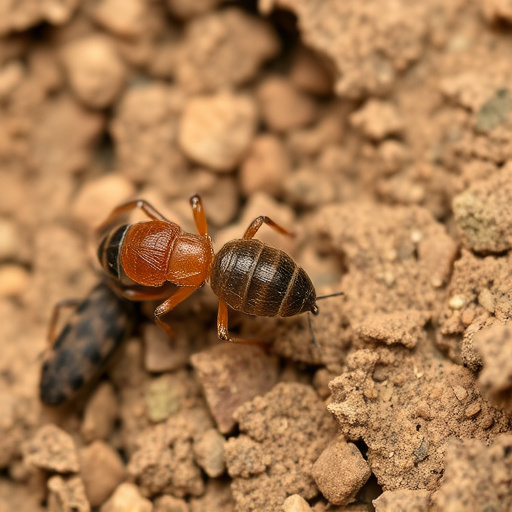
Preventing termite infestations in Tucson properties requires a multi-faceted approach, leveraging both conventional and natural termite control Tucson methods. One of the most effective strategies is to maintain proper moisture levels around the home, as termites are attracted to damp environments. Regular inspection and repair of irrigation systems, downspouts, and gutters can significantly reduce the risk. Additionally, ensuring that foundation vents are unobstructed and that there's a 1-2 inch buffer between soil and wooden components can deter termites from establishing colonies.
Natural termite control Tucson options have gained popularity for their safety and environmental friendliness. Organic barriers like diatomaceous earth and neem oil can be applied to critical areas, creating a repellent layer that disrupts termite activity. For instance, a study by the University of Arizona found that neem oil applications reduced termite feeding by up to 80% in treated zones. Another natural solution involves using beneficial insects, such as nematodes, which parasitize and ultimately kill termites. This eco-friendly approach minimizes chemical use and promotes biodiversity.
Regular professional inspections are also vital for early detection of termite infestations. Tucson's climate, characterized by warm, dry summers and mild winters, creates conditions favorable to termites year-round. During these visits, pest control experts can identify subtle signs of an existing problem or potential entry points. They may recommend targeted treatments like local application of termiticides or baits, which are highly effective and minimally invasive. By combining natural measures with strategic chemical interventions when necessary, property owners in Tucson can achieve durable termite control while minimizing risks to health and the environment.
Long-Term Strategies for Protecting Your Property

Preventing termite infestations in Tucson properties requires a multifaceted approach that combines proactive measures with long-term strategies. Termites are relentless invaders, capable of causing significant structural damage if left unchecked. In Tucson's climate, where wood-boring pests thrive, safeguarding your home or property demands sustained effort and professional guidance. One effective approach is to implement natural termite control methods that minimize the use of chemical pesticides, promoting a healthier environment for both residents and local ecosystems.
Long-term protection begins with meticulous maintenance and inspection routines. Regular visual checks for signs of termites or damage are crucial, especially in areas prone to moisture buildup, like basements or crawl spaces. Addressing any potential entry points—cracks in foundations, poorly sealed windows, or doors—is essential to deterring these persistent intruders. Utilizing natural repellents, such as citrus oils or neem oil, can offer additional protection without resorting to harsh chemicals. These organic compounds not only act as barriers against termites but also provide a safer alternative for families and pets.
Beyond individual efforts, community-based initiatives play a vital role in termite control Tucson naturally. Collaborative programs that promote responsible land development and urban planning can significantly reduce the risk of widespread infestations. Implementing green building practices, like using treated wood or termite-resistant materials, creates a collective defense against these pests. Additionally, maintaining buffer zones around structures, preserving native vegetation, and practicing responsible waste management contribute to an overall healthier environment, making it less hospitable for termites and other pests.
By understanding termite behavior specific to Tucson's climate and implementing effective prevention strategies, homeowners can significantly reduce the risk of infestations. Early identification of signs is crucial, allowing for timely intervention. Natural prevention methods, such as maintaining proper moisture levels and using termite-repellent plants, offer eco-friendly solutions. Regular maintenance, including structural inspections and wood treatment, is essential. Termite control in Tucson naturally can be achieved through integrated pest management techniques that combine safe chemical applications with biological controls and exclusion strategies. Long-term protection involves ongoing monitoring and proactive measures to deter these persistent pests. Following these comprehensive guidelines ensures a robust defense against termites, safeguarding Tucson properties for the long term.