
Understanding termite behavior is key to effective termite control Tucson naturally. Key insights include: Termites are highly organized social insects with activity peaking in spring to fall due to humidity. They prefer moist wooden areas, especially homes with leaks or poor drainage. Optimal termite control Tucson times are during their active season (spring to fall). Regular inspections, removing water sources, and natural methods like baiting systems prevent infestations. Data shows integrated pest management (IPM) strategies reduce termite-related issues by up to 50% compared to chemical-only treatments. Professional experts can employ tailored treatments based on species, structural vulnerabilities, and environmental factors for long-term success in managing termite problems in Tucson naturally.
Termites are a persistent threat to Tucson homes, causing significant structural damage if left unchecked. The ideal time for termite treatments is a crucial consideration for homeowners aiming to protect their investments. This article provides an in-depth guide to navigating the issue of termites in our region, focusing on effective strategies and the best timing for termite control Tucson residents can rely on. By understanding the life cycles of these pests and seasonal patterns, we empower property owners to implement natural prevention methods and timely interventions, ensuring long-lasting protection against termite infestations.
- Understanding Termite Behavior in Tucson's Climate
- When to Spot Signs Requiring Termite Control Tucson
- Natural Methods for Termite Prevention in Homes
- Effective Termite Treatment Timelines and Options
Understanding Termite Behavior in Tucson's Climate

Understanding termite behavior is key to effective termite control Tucson naturally. Termites are highly organized social insects, living in colonies that can number up to several million individuals. In Tucson's unique climate, with its hot, dry summers and mild winters, termites exhibit distinct patterns of activity. During the warmer months, from spring to fall, termite colonies actively forage for food, constructing intricate networks of tunnels and chambers within wood structures. This period corresponds with higher humidity levels, allowing termites to thrive and expand their colonies. Conversely, winter months see a decrease in termite activity as both worker termites and kings/queens slow down their foraging efforts due to reduced moisture content in the wood.
The climatic conditions in Tucson play a crucial role in termite behavior. The arid environment means that termites must conserve water, leading them to prefer moist wooden areas for nesting. Local species like the Western Subterranean Termite are particularly drawn to structures with plumbing leaks or poor drainage, where they can access consistent moisture. Termites also show a preference for wood with higher moisture content, making older homes more susceptible to infestations if proper termite control Tucson naturally measures aren't in place. Regular inspections and proactive treatment strategies, such as removing potential water sources and sealing entry points, are essential to mitigating these risks.
Data from local pest control services reveals that termite activity peaks during the late summer and early fall, with a corresponding drop-off in calls for treatment during winter months. This seasonal variation underscores the importance of timing termite control efforts. Spring and summer are optimal periods for non-chemical methods like baiting systems, where baits infused with slow-acting termiticides are placed within the soil to target worker termites. Chemical treatments, if necessary, should be applied during these active periods to ensure maximum efficacy and minimize environmental impact. By understanding termite behavior in Tucson's climate, homeowners can work with professionals to implement effective, natural termite control strategies that protect their properties over the long term.
When to Spot Signs Requiring Termite Control Tucson

The ideal time to spot signs requiring termite control Tucson is during the active season of these pests, typically from spring to fall. Termites are most visible and destructive during warmer months when they forage for food and establish new colonies. In Tucson, with its arid climate, termites tend to be more active in the cooler parts of the year, seeking moisture sources which become more abundant after rainfall. Homeowners should pay close attention to their property during these periods, as this is when termite damage is most likely to be evident.
Regular inspections are crucial for identifying early signs of a termite infestation. Look for mud tubes on walls or beneath foundations, as these serve as pathways for termites traveling between their nest and food source. Also, watch out for swarmer termites, which appear as winged insects emerging from damage sites or hidden areas like floor joists. An increased presence of these swarms indicates an active colony nearby. Additionally, wood that sounds hollow when knocked together, visible cracks in walls or ceilings, or sagging floors can be indicative of termite damage.
Termite control Tucson naturally involves addressing these signs promptly. If you notice any of the above indicators, contact a professional pest control service specializing in termite treatments. Early intervention is key to minimizing damage and preventing further infestation. Regular inspections by professionals are recommended for Tucson homes, especially those in areas known for termite activity, to ensure peace of mind and protect the structural integrity of your property.
Natural Methods for Termite Prevention in Homes

In Tucson, where the climate supports a year-round presence of termites, adopting natural methods for termite prevention is an intelligent proactive approach. Unlike traditional termite control Tucson which often relies on chemical treatments with potential environmental impacts, natural solutions focus on minimizing the conditions that attract and support these pests. This involves a multi-faceted strategy incorporating structural changes, organic barriers, and eco-friendly materials.
One effective natural method involves meticulous landscaping, particularly around the home's foundation. Removing dense vegetation and keeping trees and shrubs at least 6 feet away from structures reduces hidden entry points for termites. Additionally, using natural repellents like lemon grass, mint, or neem oil can deter these insects naturally, offering a safe alternative to chemical insecticides. Another strategic approach is the integration of physical barriers such as metal mesh screens and wooden logs treated with essential oils during construction or renovation, providing durable protections against termite infestation.
Regular inspections play a crucial role in early detection, allowing for timely intervention using natural methods. Homeowners should be vigilant about checking for mud tubes—signs of active termite infestations—and addressing any issues promptly. This proactive approach, combined with natural prevention techniques, can significantly reduce the risk of termite damage over time. Data from local pest control services indicates that homes adopting integrated pest management (IPM) strategies, including natural termite control Tucson methods, experience up to 50% fewer termite-related issues compared to those relying solely on chemical treatments.
Effective Termite Treatment Timelines and Options
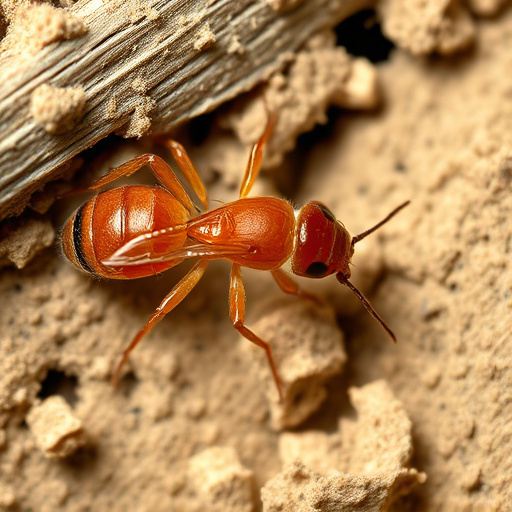
In Tucson, the ideal time for termite treatments is during the warmer months, specifically from late spring to early autumn. This is when termites are most active, seeking new sources of food and wood, making them more vulnerable to detection and treatment. During these months, termite control Tucson naturally becomes a priority for many homeowners due to increased visibility and potential damage.
There are several effective termite treatment timelines to consider. A preventive approach involves regular inspections every 3-6 months, depending on the severity of the termite problem in the area. This proactive strategy includes applications of termiticides, which can offer protection for up to several years. For established termite infestations, a more intensive treatment schedule is required. This typically involves a combination of non-chemical and chemical treatments. Non-chemical methods, such as baiting systems, can take several months to eliminate the colony, but they are environmentally friendly and effective. Chemical treatments, like liquid termiticides, can provide faster results but may require more frequent applications.
Termite control in Tucson should also consider the specific species affecting the property. The Western Subterranean Termite, for example, is prevalent in the region and requires a tailored strategy. Professional pest control experts in Tucson can employ targeted treatments based on termite species, structural vulnerabilities, and environmental factors. Regular monitoring and maintenance are key to long-term success, ensuring that any new termite activity is detected early for swift action. By understanding these timelines and options, homeowners can effectively manage termite problems and preserve the integrity of their Tucson properties.
By understanding termite behavior specific to Tucson's climate and implementing natural prevention methods, homeowners can significantly reduce the risk of infestations. Key takeaways include monitoring for signs of termites year-round, such as mud tubes or wood damage, especially after periods of heavy rain. Termite control Tucson naturally is effective through proactive measures like maintaining proper drainage, sealing entry points, and using termite-resistant building materials. For existing infestations, timely treatment is crucial; professional options range from non-chemical baiting to liquid treatments, with eco-friendly solutions available. By following these guidelines, Tucson residents can protect their homes from termites, ensuring long-term property integrity and peace of mind.