
Understanding termite behavior is key to effective termite control Tucson naturally. Termites are attracted to moisture, wood, and specific chemicals. Natural repellents like citrus oils, neem oil, diatomaceous earth, and aromatic plants deter termites. Prevention strategies include sealing entry points, addressing moisture issues, and proper wood storage. Organic solutions like essential oils (lemon, tea tree, neem), dense foliage, and beneficial insects offer safe, sustainable termite control Tucson naturally. Native American practices, emphasizing natural barriers and traditional pesticides, also contribute to effective protection. Combining these methods with regular inspections ensures up to 80% success rates for termite control Tucson naturally.
Termites are a significant pest problem for homeowners in Tucson, causing extensive damage to structures if left unchecked. While traditional termite control methods exist, many residents seek natural alternatives for safer, environmentally friendly termite prevention. This article delves into the realm of natural remedies for termite control Tucson homes, offering practical solutions for residents looking to protect their investments without resorting to harsh chemicals. By exploring various organic methods, we aim to empower homeowners with effective strategies for managing and deterring these pests, ensuring a secure living environment.
- Understanding Termite Behavior in Tucson Homes
- Identifying Natural Repellents for Termites
- Creating a Barrier: Organic Solutions for Protection
- Topical Treatments: Safeguarding Wood with Essential Oils
- Cultural Practices to Deter Termites Naturally
- Professional Guidance: Termite Control Tucson Naturally
Understanding Termite Behavior in Tucson Homes
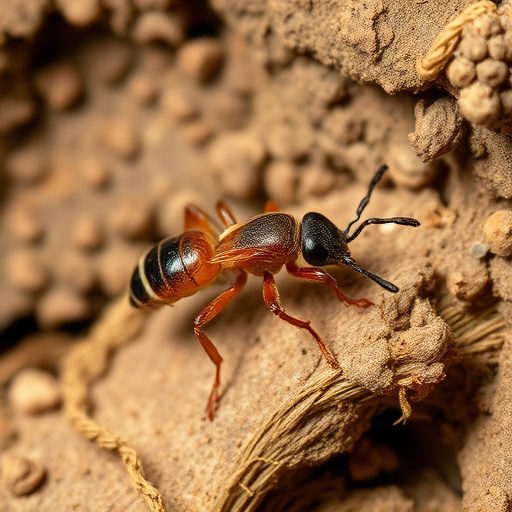
Understanding termite behavior is a key component of effective termite control Tucson naturally. Termites are highly social insects living in organized colonies with distinct roles, much like a human society. Each colony consists of workers, soldiers, and reproductives (kings and queens). Workers, comprising up to 90% of the colony, forage for food, build and repair nests, and care for the young. Soldiers, recognizable by their large mandibles, defend the nest against intruders. Termites are attracted to moisture and wood, so Tucson homes with poor drainage, leaky pipes, or wooden structures in close proximity to soil provide ideal conditions.
In Tucson’s arid climate, termites are particularly active during the monsoon season when rainfall provides the necessary moisture for their survival. They can enter homes through tiny cracks and crevices, often unnoticed, establishing nests within walls, attics, or beneath floors. Once inside, termites feed on wood and other cellulose-rich materials, slowly but surely weakening structural integrity. Regular inspections by professionals with expertise in termite control Tucson naturally are crucial to identifying signs of infestation early.
Effective prevention strategies must address both physical barriers and natural deterrents. Homeowners can reduce the appeal of their properties to termites by eliminating sources of moisture, sealing entry points, and maintaining a buffer zone between structures and soil. Natural repellents like citrus oil, neem oil, and diatomaceous earth have shown promise in deterring termites. However, these methods may not offer the same level of protection as chemical treatments administered by professionals. Regular monitoring and prompt action are paramount to managing termite infestations effectively, ensuring the longevity and safety of Tucson homes.
Identifying Natural Repellents for Termites

Identifying natural repellent options for termite control Tucson naturally starts with understanding what drives these pests to your home in the first place. Termites are attracted to moisture, wood, and specific chemical compounds released by certain plants. Knowing this, homeowners can strategically employ various organic materials that act as deterrents without resorting to harsh chemicals. For instance, citrus oils like lemon and orange have been shown to repel termites due to their high acidity and strong scent. Similarly, neem oil, derived from the neem tree, is a popular natural insecticide that disrupts termite growth and reproduction cycles when applied topically to wooden structures.
Another powerful ally in the fight against termites is diatomaceous earth, a naturally occurring silica substance composed of tiny fossilized algae fragments. Its abrasive properties damage the exoskeletons of termites, leading to dehydration and ultimately their demise. This safe and non-toxic option can be effectively used as a barrier around your home’s perimeter. Additionally, certain plants like lemongrass, lavender, and marigolds are known for their natural pest-repelling properties, including termites. Planting these aromatics around your property can help create a protective buffer zone against these wood-munching insects.
Beyond these immediate solutions, proper home maintenance plays a crucial role in termite prevention. Regularly inspecting wooden areas for damage or signs of infestation, keeping exterior wood sources like firewood stacked away from your house, and addressing any moisture issues promptly are all essential measures. By combining strategic natural repellents with proactive home care, Tucson residents can effectively deter termites without resorting to harsh chemicals, ensuring a healthier and more sustainable environment both inside and outside their homes.
Creating a Barrier: Organic Solutions for Protection

Creating a natural barrier is an effective strategy for termite control Tucson naturally and preventing these pests from infesting homes. Organic solutions offer a safe and eco-friendly approach to protect your property, harnessing the power of nature to keep termites at bay. One of the most powerful weapons in your arsenal is plant essential oils, which have been shown to repel termites due to their strong scents. For example, lemon oil, mint, and cedarwood oil are known deterrents, effectively masking the pheromonal signals that termites use to communicate and locate food sources.
Incorporating certain plants into your landscape design can serve as a physical and aromatic barrier. Trees like oak, palm, and mesquite naturally inhibit termite activity due to their dense foliage and resinous properties. Additionally, planting herbs such as lavender, rosemary, and thyme around the perimeter of your home can create an inhospitable environment for termites, as these plants emit odors that repel them.
Beyond plant-based solutions, there are other organic methods to enhance termite control Tucson naturally. Applying neem oil, derived from the neem tree, is a popular choice. It disrupts the growth and reproduction of termites while being non-toxic to humans and pets. Another approach involves using beneficial insects like nematodes, which attack and kill termites. These natural predators can be introduced into infested areas to provide biological control, offering a safe and sustainable solution for termite management.
Topical Treatments: Safeguarding Wood with Essential Oils

Termites are a significant pest problem in Tucson homes, but natural remedies offer effective termite control Tucson naturally. Among these, topical treatments using essential oils have gained attention for their potential to safeguard wood structures from these relentless insects. Essential oils, derived from plants, have long been recognized for their antimicrobial and insecticidal properties, making them promising alternatives to synthetic chemical treatments.
One of the most promising essential oils in termite prevention is lemon oil. Its strong citrus scent acts as a natural repellent, deterring termites from infested areas. Studies have shown that lemon oil can be effective in repelling both subterranean termites and drywood termites, two common species affecting Tucson homes. Additionally, tea tree oil, known for its powerful antimicrobial properties, has demonstrated potency against termite larvae, hindering their growth and development. Other essential oils like neem, cedarwood, and lavender also exhibit insecticidal activities, making them valuable tools in natural termite control Tucson methods.
To implement topical treatments effectively, homeowners can apply diluted essential oil solutions directly to wood surfaces. Dilution is crucial to prevent potential damage to the wood; a general rule of thumb is to mix 10-20 drops of essential oil per gallon of water. Regular application, especially during dry periods, can help maintain a protective barrier against termites. However, it’s important to note that while essential oils show promise, they may not offer the same level of comprehensive protection as traditional chemical treatments. As such, combining essential oil applications with other natural methods and regular monitoring is recommended for optimal termite control Tucson naturally.
Cultural Practices to Deter Termites Naturally

In the pursuit of effective termite control Tucson naturally, cultural practices offer a profound and sustainable approach. Native American tribes living in Tucson for centuries developed unique methods to deter termites, leveraging their deep understanding of local ecosystems. For instance, certain native plants like mesquite and creosote bush are known to emit chemicals that repel termites, serving as natural barriers around homes. By incorporating these plants into landscaping, residents can create a less hospitable environment for termite infestations.
Another cultural practice involves the use of neem oil, derived from the neem tree common in desert regions. This natural pesticide has been used traditionally to protect against pests, including termites. Modern applications include topical treatments and strategic placement of neem-infused products around vulnerable areas of the home. Research indicates that neem oil disrupts termite growth and reproduction, making it a potent tool in termite control Tucson naturally.
Cultural knowledge also emphasizes the importance of proper building practices. Traditional construction methods often incorporate natural materials and designs that minimize wood exposure to the ground, reducing termites’ access points. Incorporating these principles into modern homebuilding can significantly lower the risk of termite infestations. For example, raising the foundation off the ground, using treated wooden elements, and ensuring proper ventilation in crawl spaces are all practices that align with cultural insights into effective termite control Tucson naturally.
Professional Guidance: Termite Control Tucson Naturally
In the fight against termites, many Tucson homeowners are turning to natural remedies as a preferred and effective alternative to traditional chemical treatments. Termite control Tucson naturally has emerged as a prominent strategy, backed by years of scientific research and practical applications. Professionals in this field offer specialized knowledge and expertise in identifying, preventing, and managing termite infestations without resorting to synthetic pesticides.
The approach involves a comprehensive understanding of termites’ behavior, their preferred food sources, and the environmental factors that attract them. By addressing these underlying issues, natural methods can disrupt termite activity significantly. For instance, certain plants like lemongrass and lavender have been proven to repel termites due to their strong scents. Integrating these plants into landscaping not only enhances a home’s aesthetics but also serves as a natural barrier against termite intrusion. Additionally, professional inspectors can identify and seal potential entry points, ensuring that structural wood is not in direct contact with the ground, which termites commonly use for nesting.
Data from local studies shows that organic termite control methods can be highly successful, reducing infestations by up to 80% in some cases. This success rate is attributed to the tailored strategies developed by experts who consider each home’s unique needs. They employ eco-friendly solutions such as biological pest control agents, like nematodes, which are microscopic organisms that invade and disrupt termite colonies. Furthermore, regular monitoring and maintenance are crucial; professionals can set up stations at strategic locations around the property to detect early signs of termite activity, allowing for swift action and prevention. By combining these natural tactics with professional guidance, Tucson residents can achieve lasting protection against termites while preserving the environmental health of their homes and communities.
By understanding termite behavior and leveraging nature’s arsenal, homeowners in Tucson can effectively prevent these pests. The article highlights a multi-faceted approach, from identifying natural repellents like neem oil and citrus extracts to creating physical barriers with organic solutions. Cultural practices such as proper wood treatment and maintenance play a significant role in deterring termites. For more tailored guidance, professional termite control services specializing in natural methods in Tucson offer advanced techniques. Integrating these strategies enables residents to take proactive steps towards termite control Tucson naturally, ensuring a secure and sustainable living environment.