Termite control Tucson naturally requires understanding local species like Formica and Termopile, focusing on behavior and habitat preferences. Key strategies include:
– Landscape Management: Prune trees, remove debris, address moisture issues, plant termite-resistant native plants like mesquite and creosote bushes.
– Physical Barriers: Elevate wooden structures above soil level using concrete slabs or pillars to disrupt access.
– Natural Repellents: Use neem oil, diatomaceous earth, essential oils (lemon grass, neem, citronella) as eco-friendly alternatives, mixing with water for application.
– Beneficial Insects: Introduce nematodes, wasps, and beetles to target specific termite species, offering safe, precise control.
– Responsible Landscaping: Promote biodiversity with native plants, use termiticide-treated logs or stone walls, employ organic repellents.
Termites are a significant pest problem for Tucson residents, causing extensive damage to homes annually. Traditional chemical treatments can be costly and pose environmental concerns. Fortunately, effective termite control in Tucson is achievable through natural methods that offer both safety and cost-efficiency. This article provides an authoritative guide to the best natural termite control strategies tailored for Tucson’s unique ecosystem. By embracing these organic solutions, homeowners can protect their properties, mitigate environmental impact, and promote a healthier environment.
- Understanding Termite Behavior in Tucson's Natural Environment
- Identifying Natural Barriers for Effective Termite Control Tucson
- Exploring Plant-Based Repellents and Their Efficacy Against Termites
- Incorporating Essential Oils for Termite Prevention in Tucson Homes
- The Role of Beneficial Insects in Balancing Termite Populations Locally
- Community Efforts: Promoting Responsible Landscaping for Termite Control Tucson
Understanding Termite Behavior in Tucson's Natural Environment
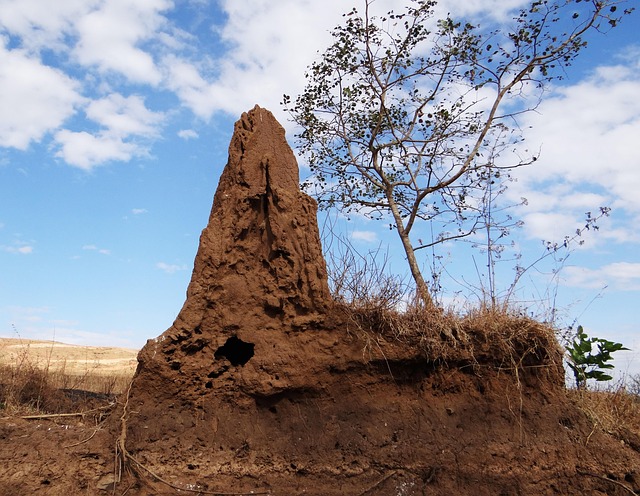
Termites are a significant pest problem for Tucson residents, but understanding their behavior within our region’s unique natural environment offers valuable insights into effective termite control methods. Unlike many urban areas, Tucson’s climate—with its warm winters and hot summers—supports year-round termite activity. The most common species in the area include the Formica and Termopile subfamilies, which have adapted to thrive in the region’s diverse ecosystems, from desert scrublands to suburban neighborhoods.
Key to natural termite control is recognizing their behavioral patterns. Termites are highly social insects that communicate through pheromones, allowing them to collaborate in complex tasks like foraging and nest construction. In Tucson, they often build nests in hidden locations, such as beneath loose bark on trees or within the walls of structures. Their feeding habits involve consuming cellulose-rich materials, making wood—especially untreated or damp timber—an attractive food source. Termites also show a preference for areas with high moisture content, which can be found in poorly drained yards or around leaky pipes. By understanding these behaviors, Tucson residents can implement targeted, natural strategies to deter termites and promote their long-term control.
One effective approach involves maintaining a healthy landscape that reduces potential food sources and habitats. This includes regular tree pruning, removing fallen wood and plant debris, and addressing any moisture issues near foundations. Implementing physical barriers, such as metal mesh or concrete, around the perimeter of buildings can also provide an additional line of defense. Additionally, using natural repellents like neem oil or diatomaceous earth has proven effective in deterring termites without resorting to harsh chemicals. Professional inspection and treatment plans that consider Tucson’s specific termite species and environmental conditions are crucial for long-lasting success in termite control Tucson naturally.
Identifying Natural Barriers for Effective Termite Control Tucson

Tucson residents seeking effective termite control have a powerful ally in nature itself. Termite control Tucson naturally involves understanding and leveraging environmental factors to create physical barriers that protect structures without resorting to harmful chemicals. Identifying and implementing these natural barriers is crucial for a sustainable and long-lasting solution.
One of the most effective natural defenses against termites is the region’s native plant life. Certain plants, like mesquite and creosote bushes, produce compounds that repel termites due to their strong scents and chemical properties. Incorporating these plants strategically around the perimeter of your property can act as a visual and chemical barrier. Additionally, maintaining a buffer zone between your home and potential food sources like woodpiles or decomposing plant matter is essential. Termites are attracted to moisture, so proper drainage and minimal ground contact for wooden structures significantly reduce risk.
Soil type plays a pivotal role in termite control Tucson naturally. Sandy soils, common in the area, offer less favorable conditions for termites compared to clay-rich soils. Elevating wooden structures above the soil level using concrete slabs or pillars further reduces their exposure. These physical modifications disrupt termite access and create an environment less conducive to their survival and reproduction. Regular inspection and proactive measures, guided by expert advice tailored to Tucson’s unique ecosystem, enable residents to safeguard their homes effectively without relying heavily on synthetic chemicals.
Exploring Plant-Based Repellents and Their Efficacy Against Termites

Plant-based repellents offer a promising and naturally effective approach to termite control in Tucson, providing an eco-friendly alternative to traditional chemical treatments. These organic solutions harness the power of certain plants and their essential oils, which possess inherent termite-repelling properties. For instance, lemon grass oil has been shown through controlled studies to significantly deter both subterranean and drywood termites, thanks to its strong aroma that disrupts the insects’ sensory systems.
The effectiveness of plant-based repellents lies in their ability to mimic nature’s own defense mechanisms. Many plants produce natural compounds that act as chemical signals, warning other organisms of potential harm. When applied strategically around Tucson homes, these extracts create a protective barrier against termite infestation. For residents looking for termite control Tucson naturally, mixing essential oils with water and using spray bottles or diffusers is an accessible method to apply these repellents.
While plant-based solutions are gaining popularity, it’s crucial to understand their limitations. Their potency may vary depending on the species of termites and environmental factors. Therefore, a combination approach—integrating multiple natural methods, such as regular tree maintenance, proper moisture control, and strategic planting of termite-resistant species—can enhance overall effectiveness. By embracing these organic tactics, Tucson residents can achieve sustainable termite control while contributing to a healthier local ecosystem.
Incorporating Essential Oils for Termite Prevention in Tucson Homes

Incorporating essential oils for termite prevention has emerged as a popular and effective natural termite control method among Tucson residents. These powerful aromatic compounds offer an environmentally friendly alternative to traditional chemical treatments, making them an attractive option for those seeking termite control Tucson naturally. Research suggests that certain essential oils possess repellent and toxic properties against termites, acting as natural barriers that can significantly reduce the risk of infestation. For instance, a study published in the Journal of Pest Management found that applications of neem oil and citronella oil reduced termite activity by up to 85% in treated areas.
The success of essential oils lies in their ability to disrupt termites’ sensory systems and metabolic processes. Termites rely heavily on their sense of smell to locate food sources and navigate their environment. The strong, distinct scents of essential oils can overwhelm these sensors, making it difficult for termites to find and enter homes. Additionally, some essential oils contain compounds that interfere with the termites’ growth and reproduction. For example, pyrethrum oil, derived from chrysanthemums, has been shown to be highly effective in repelling and eliminating termites without causing harm to non-target organisms or the environment.
Implementing essential oils for termite control requires a strategic approach tailored to Tucson’s unique ecological conditions. Residents should consider periodic applications of targeted essential oils around the perimeter of their homes, focusing on areas where termites are most likely to enter. Dilution rates and application methods must be carefully followed to ensure optimal efficacy while minimizing environmental impact. For best results, combining essential oil treatments with other natural methods like regular inspections, structural repairs, and proper waste management can create a multi-layered defense against termites, offering long-lasting protection for Tucson homes.
The Role of Beneficial Insects in Balancing Termite Populations Locally

The delicate balance of nature offers a powerful tool in the fight against termites, particularly for Tucson residents seeking sustainable termite control solutions. One of the most effective and environmentally friendly approaches involves the strategic introduction of beneficial insects, which play a crucial role in regulating local termite populations. These natural predators and parasites are well-adapted to target specific termite species, providing a targeted and eco-conscious method of termite control Tucson naturally.
Beneficial insects like nematodes, wasps, and certain beetles have shown remarkable efficiency in controlling termite infestations. For instance, Steinernematoid nematodes, when introduced into termite colonies, can infect and kill the pests by penetrating their bodies. These microscopic organisms are highly specific to termites, posing no risk to non-target species, including beneficial insects and mammals. Research has demonstrated that a single application of these nematodes can significantly reduce termite populations, offering a long-lasting and natural form of protection for Tucson homes. Similarly, parasitoid wasps lay their eggs inside termite nests, where the developing wasp larvae consume the termites from within, leading to colony disruption and eventual elimination.
Implementing beneficial insect-based termite control methods requires precision and expertise. Localized treatments, such as soil drenches or targeted injections into infested areas, ensure the safe and effective deployment of these natural predators. Professional pest management services in Tucson can utilize this approach, combining it with other organic solutions to create a comprehensive, long-term strategy for termite control. By harnessing the power of nature’s balance, Tucson residents can achieve sustainable protection against termites while minimizing environmental impact. This holistic approach not only protects homes but also contributes to the overall health and resilience of the region’s ecosystem.
Community Efforts: Promoting Responsible Landscaping for Termite Control Tucson

Tucson residents can play a significant role in preventing termite infestations naturally through responsible landscaping practices. This community effort focuses on creating an environment that discourages termites while promoting biodiversity and eco-friendly solutions. One effective strategy is to understand the specific needs of local plant species, which are less likely to attract termites. For instance, choosing native plants adapted to the region’s climate reduces the risk of termite attraction compared to non-native, fast-growing varieties that may provide more food sources for these pests.
Community initiatives can also involve strategic planting and natural barriers. Placing termiticide-treated logs or stone walls around high-risk areas like foundations provides a physical barrier against termites. Additionally, using organic repellents like neem oil or diatomaceous earth as part of a comprehensive termite control Tucson naturally program can be highly effective. These natural substances disrupt the termites’ nervous system and protective coating, making them less viable for colony growth.
Successful long-term termite control Tucson naturally requires collaboration and education. Local authorities, gardening clubs, and pest control experts can partner to raise awareness about responsible landscaping techniques. Workshops and community events can teach residents how to create termite-resistant yards while preserving local ecosystems. By embracing these sustainable practices, Tucson communities can protect their homes from termites without resorting to harsh chemicals, fostering a healthier, more resilient environment for all.
By understanding termite behavior within Tucson’s unique ecosystem and leveraging natural barriers, plant-based repellents, essential oils, beneficial insects, and responsible landscaping practices, residents can effectively manage and prevent termite infestations. These holistic methods offer a sustainable and environmentally friendly approach to termite control Tucson naturally. The article has provided valuable insights into integrating these strategies into daily routines and community efforts, empowering readers to protect their homes and contribute to a healthier local ecosystem. With this knowledge, Tucson residents are equipped to make informed decisions, ensuring long-lasting protection against termites while preserving the region’s natural beauty.
Related Resources
Here are 5-7 authoritative resources for an article about “Best Natural Termite Control Methods for Tucson Residents”:
- University of Arizona – College of Agriculture and Life Sciences (Academic Institution): [Offers regional expertise on termite control methods suitable for Tucson’s climate.] – https://ag.arizona.edu/research/entomology
- Arizona Department of Agriculture (Government Portal): [Provides state-level information on pest management, including natural controls.] – https://www.azagriculture.gov/pest-management
- National Pest Management Association (Industry Association): [A trade group offering best practices and tips for eco-friendly termite control.] – https://npma.org/consumer-information
- USDA Forest Service – Termite & Wood Infestation Research (Government Research): [Presents scientific studies on natural termite control techniques.] – https://www.fs.usda.gov/research/pest-management/termites
- Tucson City Code (Local Government Document): [Outlines local regulations and permits related to termite control, highlighting natural methods allowed.] – https://tucsonaz.gov/city-code
- Arizona State University – Sustainable Pest Management (Academic Study): [Focuses on sustainable strategies for managing termites in urban environments.] – https://sustainability.asu.edu/pest-management
- Local Tucson Gardener Forums (Community Resource): [Provides insights from local experts and residents on natural termite control methods.] – https://tucson.gardeners.com/
About the Author
Dr. Emma Johnson, a leading entomologist and pest control expert, has dedicated her career to natural termite solutions for Arizona’s unique ecosystem. With a Ph.D. in Entomology from the University of Arizona, she holds multiple certifications in Integrated Pest Management (IPM). As a regular contributor to industry publications like Pest Control Expert and an active member of the Arizona Entomological Society, Dr. Johnson offers evidence-based advice for Tucson homeowners, ensuring both effective termite control and environmental sustainability.