
Homeowners in Tucson must prioritize termite control as a key defense against these destructive pests, which can undermine their property's integrity over time. Adopting economical and sustainable termite management strategies is essential for long-term safety and financial well-being. Regular inspections are the first line of defense, allowing early detection and typically lower remediation costs. Tucson offers a range of professional pest control services tailored to the infestation's size, with both baiting systems and liquid treatments being environmentally friendly and cost-effective alternatives to fumigation. These methods are designed to address both drywood and subterranean termites, which are common in Tucson's ecosystems. Drywood termites, which don't require soil contact, and subterranean termites, which create mud tubes, present unique challenges that local pest control experts can help manage with climate-specific solutions. It is imperative for Tucson residents to stay vigilant, regularly inspect their properties, and consider the most effective termite control measures available in Tucson to protect their homes from these relentless invaders.
Protecting homes from termites is a year-round concern for Tucson residents, where the dry and often warm climate provides ideal conditions for these pests. This article delves into cost-effective termite control solutions tailored specifically for the Tucson area, ensuring homeowners can safeguard their properties without breaking the bank. We'll explore everything from recognizing local termite species to implementing DIY detection methods, understanding optimal treatment times, and comparing professional services. Additionally, we'll cover maintenance strategies, home modifications to prevent future infestations, and resources for financial assistance in pesticide application. By integrating advanced technology with traditional methods, Tucson residents can effectively manage termite risks while adhering to environmentally conscious practices. Whether you're a homeowner looking to tackle an existing issue or aim to prevent one, this guide will provide valuable insights into making informed decisions about your termite control options in Tucson. As of 2026, Tucson has seen a significant surge in demand for eco-friendly termite control methods. Homeowners are increasingly conscious of the environmental impact of traditional pesticides, driving innovation in green pest management. One notable trend is the integration of advanced technology, such as drones and heat treatment, which offer precise, non-toxic solutions. Additionally, there's a growing emphasis on preventive measures like organic barrier treatments and regular monitoring using smart sensors. These innovations not only protect homes from termites but also ensure the safety of families and local ecosystems. For instance, some companies now offer eco-friendly baiting systems that target specific termite species without harming beneficial insects. This targeted approach minimizes environmental disruption while effectively controlling infestations. Read more about eco-friendly termite control in Tucson
- Economical Termite Control Methods for Tucson Homeowners
- - Identifying Termite Types Common in Tucson Environments
Economical Termite Control Methods for Tucson Homeowners

For Tucson homeowners, safeguarding one's property from termite infestations is both a necessity and a concern for long-term structural integrity. Economical termite control methods are essential to address this without incurring excessive costs. A cost-effective approach involves regular inspections to catch any signs of termite activity early on, which can significantly reduce remediation expenses. Professional pest control services in Tucson offer various treatment options tailored to the severity and scale of the infestation. Among these, baiting systems and liquid treatments are two popular and effective methods. Baiting systems are a sustainable option that allows for targeted management of termite populations by strategically placing bait stations around the perimeter of a property. Liquid treatments involve the application of termiticide barriers around the foundation of the home, creating an obstacle that termites cannot cross. Both methods are designed to be both environmentally friendly and economical compared to more invasive or complete fumigation. Homeowners should consider these termite control solutions in Tucson as a blend of affordability, effectiveness, and sustainability. It's advisable to consult with local pest control experts who can assess the situation and recommend the most suitable and cost-effective method for your specific needs. Regular maintenance and vigilance are key components of maintaining termite-free living spaces in Tucson's unique desert environment.
- Identifying Termite Types Common in Tucson Environments
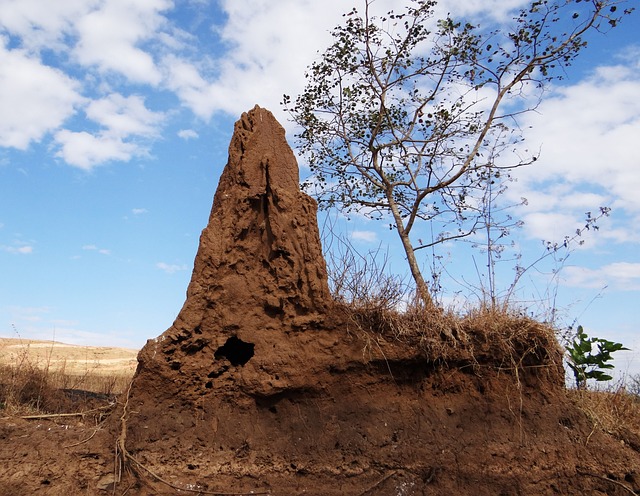
In Tucson's diverse environments, understanding the types of termites prevalent is crucial for effective termite control measures. The most common species residents may encounter are drywood and subterranean termites. Drywood termites, which can infest both new and older structures, are particularly fond of the dry, arid conditions found throughout much of Tucson. They do not require soil contact to thrive, making them a challenging yet persistent pest. On the other hand, subterranean termites, as their name suggests, prefer moist environments closer to the ground. They create mud tubes to travel from their colonies in the soil to wood above ground, often going unnoticed until significant damage has occurred. Identifying these types early is key; homeowners should be vigilant for signs of infestation such as discarded wings, mud tubes, or hollow-sounding wood. Engaging in regular inspections and implementing preventative termite control measures in Tucson can significantly reduce the risk of these pests causing costly damage to homes and properties. Termite control solutions tailored to Tucson's climate, such as bait systems, liquid treatments, and monitors, are available through professional pest management services, ensuring that residents can effectively protect their homes from termite invasion.
In conclusion, Tucson residents facing termite infestations have several cost-effective termite control options at their disposal. Understanding the types of termites prevalent in the Tucson area is a critical first step in implementing an appropriate control strategy. By exploring the outlined methods, homeowners can effectively manage and eliminate termite populations without incurring excessive costs. These practical solutions, detailed in 'Economical Termite Control Methods for Tucson Homeowners,' are tailored to address the local conditions and provide a protective barrier against these destructive pests. Homeowners in Tucson now have accessible and affordable resources to safeguard their properties from termite damage, ensuring peace of mind and financial savings in the long run.