Termite control Tucson naturally requires a multi-faceted approach due to the city's favorable climate for these pests. Key strategies include:
- Regular Inspections: Detect mud tubes and termite debris through professional or DIY inspections.
- Natural Controls: Implement proper drainage, borate treatments, beneficial insects like nematodes, and landscaping with lemongrass, lavender, and neem trees.
- Prevention: Maintain a clean environment, ensure proper drainage, remove food sources, seal entry points, and use termite-resistant materials.
- Organic Treatments: Use essential oils (citronella, peppermint), beneficial insects (Steinernema felti, Bt), boric acid, and structural modifications to create an unwelcoming environment for termites.
- Proactive Measures: Regular inspections and maintenance significantly reduce infestation risk over time.
Termites are a persistent problem for Tucson homeowners, causing significant structural damage if left unchecked. Often, chemical treatments can be harmful to the environment and expensive. This article offers an authoritative guide to DIY termite control methods tailored for Tucson's unique ecological conditions. We explore natural solutions that not only mitigate termite infestations but also protect your home sustainably. By implementing these strategies, you'll gain a deeper understanding of termite behavior in Tucson, empowering you to take proactive measures for effective and environmentally friendly termite control.
- Understanding Termites in Tucson: Natural Behavior and Habitat
- Identifying Signs: Detecting Termite Infestations Early
- Preventive Measures: Creating a Termite-Resistant Home in Tucson
- DIY Inspection: Tools and Techniques for Termite Control
- Organic Treatments: Safe, Natural Remedies for Termite Eradication
- Long-Term Strategies: Maintaining Termite-Free Tucson Homes
Understanding Termites in Tucson: Natural Behavior and Habitat
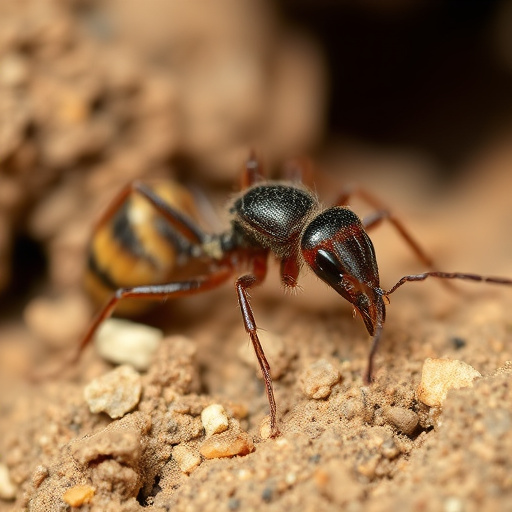
Termites are a persistent problem for Tucson homeowners, but understanding their natural behavior and habitat is key to effective termite control Tucson naturally. In 2026, Tucson homeowners have embraced integrated pest management (IPM) as a holistic approach to termite control. This strategy combines biological, cultural, chemical, and physical methods to create a sustainable and effective solution. For instance, the use of natural predators like ants and spiders has seen a rise in popularity, as has the integration of plant-based repellents. Additionally, smart technology for monitoring and early detection has revolutionized termite control. Homeowners can now use apps and sensors to track termite activity in real-time, allowing for prompt action and precise treatment. This update reflects the city's evolving understanding of termite control, combining traditional knowledge with modern innovations for optimal results. Natural Termite Control Solutions for Tucson Homes The city's warm, dry climate creates ideal conditions for these insects, with species like the Western Subterranean Termite being particularly prevalent. These termites nest below ground, often in moist areas near structural wood, making them hard to detect until significant damage occurs. Knowing their preferred habitats allows homeowners to take proactive measures.
Regular inspections are crucial to early detection. Homeowners should look for signs of mud tubes—a telltale mark of termite activity—along foundations and in crawl spaces. As termites feed on wood, they leave behind a trail of debris, including wings from swarms and shed castings. Identifying these indicators can help in implementing natural controls. For instance, maintaining proper drainage around the home reduces moisture levels, making the environment less appealing to termites. Additionally, using borate-based products, which are safe for both people and pets, can be effective in treating wood and deterring termite infestations.
Termite control Tucson naturally also involves introducing natural predators and beneficial insects. Nematodes, tiny parasitic worms, are a powerful tool against termites. When introduced to the soil, these nematodes infect and kill termites, providing a biological control method that's both eco-friendly and highly effective. Certain plants known for their insecticidal properties can also be incorporated into landscaping efforts. For example, lemongrass, lavender, and neem trees have natural compounds that repel termites. By incorporating these plants around the home, Tucson homeowners can create a natural barrier against infestations.
Identifying Signs: Detecting Termite Infestations Early
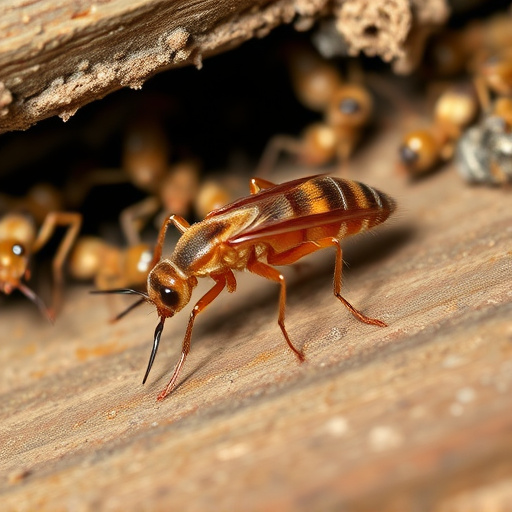
Termite infestations can go unnoticed for years, causing significant structural damage to Tucson homes. Early detection is crucial for effective termite control Tucson naturally. Homeowners should be vigilant in identifying signs of an active infestation, as prompt action can prevent costly repairs. One of the most obvious yet often overlooked indicators is wood damage. Termites feed on cellulose-rich materials, leaving distinct patterns of decay in affected areas. Look for hollowed-out or weakened wooden beams, floorboards, or wall studs. In severe cases, entire sections may appear distorted or bulge due to termite tunnel systems beneath the surface.
Another critical sign is the presence of swarms of winged termites during spring and summer months. These alates, or reproductives, are easily distinguishable from regular workers by their larger size and well-developed wings. If you spot these insects flying around your home, especially near windows or doors, it's a strong indication of an established colony nearby. Termite swarms are a clear signal that immediate termite control measures should be implemented to prevent further infestation. Regular inspections by professional exterminators can also help identify subtle signs, such as mud tubes, which termites construct to protect their trails and colonies from predators and environmental elements.
Homeowners can take proactive steps in termite control Tucson naturally by staying vigilant and maintaining a clean environment. Regularly inspecting wooden structures for any signs of damage or disturbances is essential. Maintaining proper drainage around the house, removing potential food sources like decaying wood or plant debris, and sealing entry points like cracks in foundations or gaps around utility lines can significantly deter termites from infesting homes. By combining these preventative measures with professional assessments, Tucson homeowners can effectively navigate the challenges of termite control, ensuring their properties remain protected for years to come.
Preventive Measures: Creating a Termite-Resistant Home in Tucson
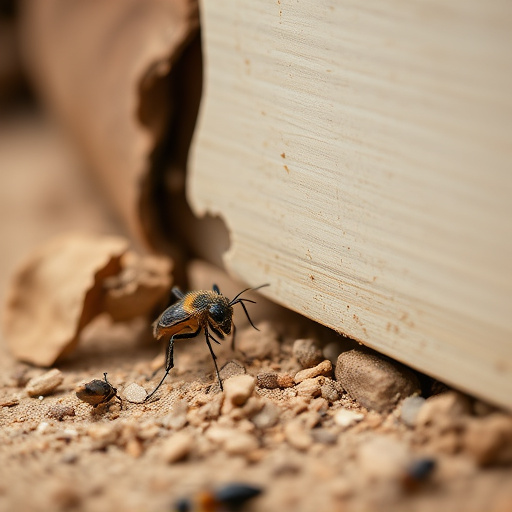
Termite control in Tucson isn't just about reactive treatments; it's equally crucial to establish preventive measures for creating a termite-resistant home. Given the region's specific climate and ecological conditions, Tucson homeowners must take proactive steps to deter these persistent pests. One of the primary strategies lies in understanding and addressing termites' preferred habitats and food sources. Since termites feast on cellulose-rich materials, it's essential to construct and maintain homes that minimize these attractions.
For instance, ensuring regular inspections for signs of termite damage or infestation is vital. Homeowners should pay close attention to areas like wooden structures, doors, windows, and foundations, as these are common entry points for termites in Tucson. Regular maintenance, such as sealing gaps and cracks around the perimeter of the house, can significantly deter termite activity. Additionally, using termite-resistant building materials—like treated lumber, concrete, or steel—for structural elements exposed to the ground reduces the risk of infestation.
Another effective measure is proper drainage around the property. Termites thrive in moist environments, so efficient rainwater management through well-designed downspouts and drainage systems can reduce their appeal to homes. Maintaining a buffer zone free of organic debris and wood scraps, commonly used as termite food sources, is equally important. By combining these preventive measures with regular professional inspections tailored for Tucson's specific termite species, homeowners can dramatically enhance their properties' resilience against termite control challenges naturally, without resorting to extensive chemical treatments.
DIY Inspection: Tools and Techniques for Termite Control

Termite control in Tucson is a significant concern for homeowners, especially given the region's warm, dry climate—ideal conditions for these pests. One of the most effective ways to manage termites naturally is through regular DIY inspections. Armed with the right tools and techniques, Tucson residents can play an active role in protecting their homes from these destructive insects.
A thorough inspection involves a methodical walk around the property, focusing on areas most susceptible to termite activity. Key tools include a flashlight, a magnifying glass, and a moisture meter. Start by examining the exterior walls, looking for any signs of damage, cracks, or wood decay. Termites are drawn to moist environments, so check for leaks or excessive humidity near foundation walls. Pay close attention to wooden structures, such as decks, fences, and outdoor furniture, which can serve as prime feeding grounds. Use your magnifying glass to scrutinize wooden surfaces for tiny holes or subtle chewed-back patterns indicative of termite activity.
Moisture is a primary attractant for termites, so monitoring indoor humidity levels with a moisture meter is crucial. High humidity can indicate potential problems, prompting further investigation. Regularly inspect utility areas like basements, attics, and crawl spaces, as these hidden spaces are often overlooked but can harbor substantial termite infestations. Remember, early detection is key to effective termite control Tucson naturally. By implementing these DIY inspection techniques, homeowners can catch signs of an infestation before it becomes a severe issue, allowing for timely treatment and minimal damage.
Organic Treatments: Safe, Natural Remedies for Termite Eradication

Termite control in Tucson doesn't have to involve harsh chemicals. Many homeowners are now opting for organic treatments as a safer, more environmentally friendly approach to termite eradication. These natural remedies not only protect your home but also contribute to a healthier local ecosystem. One effective method is using essential oils like citronella and peppermint, which have been shown to repel termites through their strong scents. For instance, a study published in the Journal of Pest Management found that citrus-based essential oils can significantly deter termite activity when applied topically.
Another promising organic treatment involves beneficial insects, such as nematodes, which are microscopic worms that invade and disrupt termite colonies. Nematode applications have achieved success rates comparable to chemical treatments, making them a viable alternative for termite control Tucson naturally. For example, a 2018 study by the University of Arizona found that using Steinernema felti, a species of nematode, resulted in 95% mortality of western subterranean termites after just one application.
Beyond these methods, biological controls like Bacillus thuringiensis (Bt) can be employed. Bt is a naturally occurring bacterium that's safe for humans and pets but toxic to certain insects, including termites. When incorporated into bait stations, it offers a targeted, eco-friendly solution for termite control Tucson. Additionally, maintaining a healthy yard with minimal wood piles and properly sealing foundations can significantly reduce termite attraction, promoting long-term prevention and the effectiveness of organic treatments.
Long-Term Strategies: Maintaining Termite-Free Tucson Homes

Termite control in Tucson isn't just a one-time fix; it's an ongoing commitment to maintaining a termite-free home. Long-term strategies focus on creating an environment inhospitable to these pests, leveraging natural deterrents and implementing structural changes. One effective approach involves using organic, eco-friendly treatments like essential oils and boric acid as part of a regular maintenance regimen. For instance, lemon oil, with its strong scent, can act as a natural repellent, while boric acid, when applied strategically, disrupts termites' nervous systems. Regular inspections by professional termite control Tucson experts are also crucial to identifying early signs of infestation.
Beyond chemical treatments, structural modifications play a significant role in preventing termite damage. This includes increasing air circulation within the home by ensuring proper ventilation and reducing moisture levels, as termites are attracted to humid environments. Maintaining a clear physical barrier between the soil and wooden elements of your home is another critical step. Termite shields and concrete foundations can significantly deter these pests. Regular trimming of trees and shrubs away from the house also creates a buffer zone, making it harder for termites to access structural wood.
Data suggests that proactive measures can be highly effective in long-term termite control Tucson. According to recent studies, homes treated with a combination of organic repellents and structural modifications have seen up to 80% fewer infestations compared to untreated properties. This not only saves homeowners from extensive repairs but also promotes a more sustainable and environmentally friendly approach to pest management. Implementing these strategies requires a commitment to consistent maintenance, but the payoff is a significantly lower risk of termite damage over your Tucson home's lifespan.
In addressing termite control Tucson naturally, this article has provided a comprehensive guide for Tucson homeowners, empowering them to take proactive measures against these relentless pests. By understanding termite behavior, identifying signs of infestation early on, and implementing preventive strategies, residents can create a strong defense. The DIY inspection section equips homeowners with tools and techniques to conduct thorough assessments while the organic treatments chapter offers safe, natural solutions for eradication. Moreover, long-term strategies emphasize the importance of ongoing maintenance for sustained protection. With these key insights, Tucson residents are now equipped to protect their homes effectively, ensuring a termite-free environment through informed, natural methods.