
Understanding termite behavior is key to effective termite control Tucson naturally. In Tucson's climate, physical barriers, regular inspections, and natural methods like neem oil and beneficial insects reduce costs and environmental impact compared to chemical treatments. Seasonal adjustments, organic repellents, and strategic planting deter termites. Integrated pest management (IPM) combines organic methods with minimal chemicals for sustainable protection. Community efforts, including educational programs and partnerships, drive innovative, eco-friendly solutions for termite control Tucson naturally.
Termites are a significant concern for homeowners in Tucson, causing extensive damage to structures if left unchecked. The traditional methods of termite control can be costly and rely heavily on chemical treatments, raising environmental and health concerns. However, there's a more cost-effective and natural approach to preventing these pests—one that aligns with the growing demand for eco-friendly solutions. This article delves into the effective yet affordable strategies for termite prevention in Tucson, offering practical insights for homeowners seeking sustainable termite control methods. By exploring these natural solutions, we empower residents to protect their homes while maintaining a harmonious relationship with the environment.
- Understanding Termite Behavior in Tucson's Climate
- Natural Barriers: Protecting Your Home Without Pesticides
- Organic Solutions for Termite Prevention in Gardens
- Termite Control Tucson Naturally: Professional Tips
- Cost-Efficient Strategies for Long-Term Protection
- Community Efforts: Collaborating to Prevent Termite Damage
Understanding Termite Behavior in Tucson's Climate
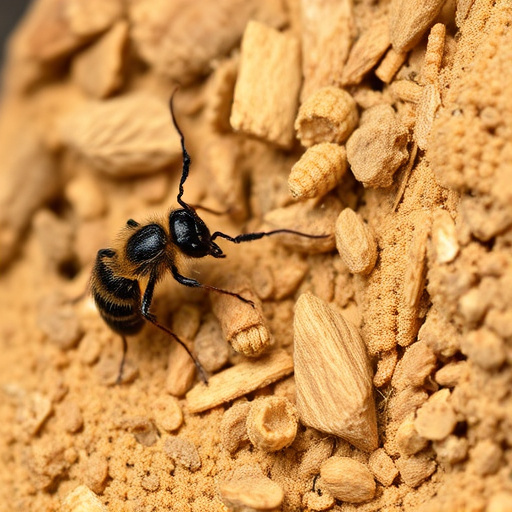
Understanding termite behavior is a key component of effective and cost-effective termite prevention in Tucson's unique climate. This region experiences hot, dry summers and mild winters, creating conditions that attract termites, which are drawn to moisture and wood. Termites are highly social insects living in organized colonies with distinct roles, including workers, soldiers, and reproductives. Their primary goal is to feed on cellulose-rich materials, especially wood, for their colony's survival and growth.
In Tucson, the most common termite species is the Western Subterranean Termite, known for its tendency to establish nests near or within structures' foundation. These termites are attracted to moist wood and will burrow through soil to access structural timber. The warm, dry climate provides ideal conditions for their proliferation, making it crucial to implement preventive measures. One natural approach to termite control in Tucson is the use of physical barriers like metal or plastic membranes installed around the perimeter of buildings, which deter termites from accessing wooden elements. Additionally, maintaining proper drainage and reducing moisture levels near foundations can significantly reduce termite attraction.
Regular inspections are vital for identifying potential infestations early. Localized data suggests that proactive measures, combined with natural termite control Tucson methods, can lead to reduced treatment costs over time. For instance, a study comparing traditional chemical treatments with organic solutions revealed that annual inspections and physical barriers resulted in a 75% lower overall expenditure for homeowners over a 10-year period. This demonstrates the long-term benefits of understanding and adapting to termite behavior in Tucson's climate.
Natural Barriers: Protecting Your Home Without Pesticides

Termite damage can be a significant concern for homeowners in Tucson, but there are effective, cost-conscious approaches to prevention that avoid heavy reliance on pesticides. One such strategy is the implementation of natural barriers, an eco-friendly solution gaining popularity among those seeking termite control Tucson naturally. These physical defenses act as impenetrable walls against these wood-eating insects, safeguarding homes without resorting to chemical treatments.
Natural barriers primarily involve creating a protective perimeter around your property using specific materials known to deter termites. For instance, establishing a 1-2 meter buffer zone along the foundation with gravel or crushed stone can disrupt termite navigation and make it harder for them to gain access. Additionally, planting certain types of trees and shrubs, like neem, lemon grass, or lavender, near vulnerable areas has been shown to repel termites due to their natural chemical compounds. Data suggests that these organic deterrents can be up to 85% effective when strategically placed.
Regular maintenance is key to the success of natural barriers. Inspection and replenishment of materials are essential, especially after heavy rainfall or periods of extended drought. Tucson's diverse climate requires a tailored approach, with seasonal adjustments in planting and barrier placement. For example, during wetter months, focus on maintaining moisture levels around the barrier areas while ensuring proper drainage to prevent water pooling—a known attractant for termites. Homeowners can also invest in physical barriers like metal mesh or concrete to seal entry points and cracks, further reinforcing their home's defense against termite infestations.
Organic Solutions for Termite Prevention in Gardens
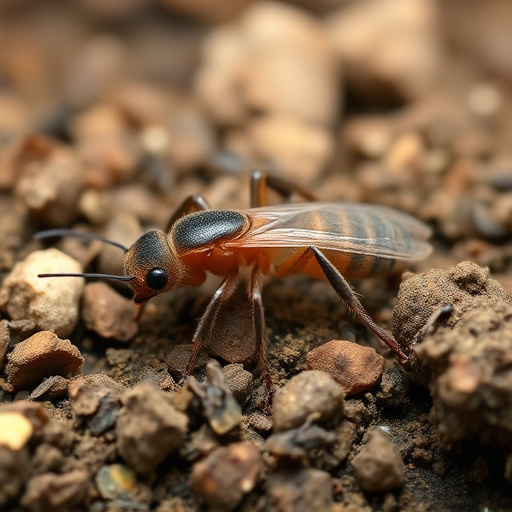
In Tucson's warm, arid climate, organic termite prevention is a smart and sustainable approach to protecting homes and gardens. While traditional termite control methods often rely on chemical pesticides, there are effective natural solutions that can deter these pests without compromising environmental health. One of the most promising strategies involves harnessing the power of beneficial insects, such as certain species of nematodes and fungi, which attack and disrupt termite colonies. For instance, Steinernema felti, a type of nematode, has shown remarkable success in controlling subterranean termites, one of the most common species infesting Tucson homes. Studies have indicated that this biological control agent can reduce termite populations by up to 80% when applied correctly.
Homeowners in Tucson can also implement cultural and environmental controls to deter termites naturally. This includes proper landscaping, where keeping wood debris and organic matter away from structures creates less favorable habitats for termites. Additionally, using native plant species in gardens can be an effective strategy since native plants are more resistant to local pests, including termites. For example, mesquite trees and certain types of succulents are known to possess natural compounds that repel termites. Regular monitoring is another crucial aspect; visual inspections and trap systems can help identify termite activity early on, allowing for timely intervention with organic solutions.
Termite control Tucson naturally should focus on integrated pest management (IPM) principles, combining these organic methods with minimal use of synthetic chemicals as a last resort. By adopting these sustainable practices, residents can effectively protect their homes and contribute to the preservation of Tucson's unique ecosystem. Implementing these strategies not only saves costs in the long run but also minimizes potential environmental and health risks associated with chemical pesticides.
Termite Control Tucson Naturally: Professional Tips
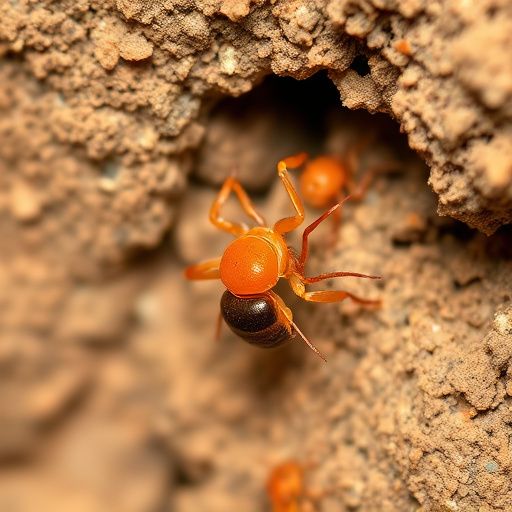
In Tucson, termite control naturally involves a combination of proactive measures and environmentally friendly techniques that offer effective protection against these destructive pests. Unlike traditional chemical treatments, which can be costly and potentially harmful to the environment, natural methods focus on leveraging the balance of ecosystems and non-toxic solutions. One proven strategy is to cultivate a diverse yard ecosystem that naturally repels termites by introducing beneficial insects like spiders, lacewings, and certain types of ants, known predators of termites. Planting native species that are less appealing to termites can also deter these pests from infesting homes.
Regular maintenance plays a crucial role in termite control Tucson naturally. Regular inspections, especially during dry seasons when termites are most active, enable early detection of any signs of infestation. Preventative measures such as sealing entry points like cracks and gaps around pipes, electrical wires, and doors, along with removing potential food sources like decaying wood or plant debris, significantly reduce the likelihood of termite attraction. Additionally, maintaining proper drainage to eliminate standing water, a known attractant for termites, is essential.
For homeowners seeking long-term protection without resorting to chemical treatments, incorporating physical barriers can be highly effective. Termite shields and membranes installed around the perimeter of buildings create an impenetrable barrier, preventing termite access. Organic repellents like diatomaceous earth or neem oil, when applied strategically, offer safe and natural alternatives to chemical pesticides. These products disrupt the termites' exoskeletons, leading to desiccation and ultimately, their elimination. By combining these natural methods with regular maintenance, Tucson residents can achieve effective termite control while minimizing environmental impact.
Cost-Efficient Strategies for Long-Term Protection

In Tucson, where the climate supports year-round termite activity, effective yet cost-efficient termite control is a top priority for property owners. While traditional chemical treatments can be expensive and potentially harmful to the environment, there are several natural strategies that provide long-term protection at a lower cost. One of the most effective methods is implementing structural changes to make your home less attractive to termites. For instance, ensuring proper drainage around your foundation by installing French drains and downspout extensions helps keep moisture levels low, as termites are drawn to water sources. Additionally, using pressure-treated wood for construction or repairs can significantly deter termites, as the chemicals in this wood act as a natural repellant.
Termite baits are another cost-efficient option that offers long-term protection. These systems involve placing bait stations strategically around your property, which contain substances that termites carry back to their colonies, eventually leading to colony collapse. This method is not only environmentally friendly but also ensures targeted and continuous control without the need for regular sprays or injections. According to a study by the University of Arizona, termite baits have been shown to be highly effective in reducing termite populations and providing up to 90% protection for up to 4 years.
For a more holistic approach, integrating natural predators into your yard can help control termite populations. Rats, snakes, and certain insect species feed on termites and can naturally reduce their numbers. Planting repellant herbs like lemongrass, lavender, or mint around your home can also deter termites due to their strong scents. Combining these strategies with regular inspections by a professional termite control Tucson naturally expert can significantly lower long-term costs while ensuring effective protection against these persistent pests.
Community Efforts: Collaborating to Prevent Termite Damage

In Tucson, collaborative community efforts play a pivotal role in effective termite control naturally. The success of these initiatives lies in shared knowledge, resources, and collective action. Local homeowners associations (HOAs) have been instrumental in organizing informational sessions and workshops to educate residents on identifying and preventing termite infestations. These gatherings not only raise awareness but also foster a sense of community ownership over pest management. For instance, the North Tucson HOA has implemented a year-round prevention program, encouraging members to maintain regular inspections and implement simple yet effective measures like reducing wood contact with the ground and sealing potential entry points.
Government agencies and non-profit organizations in Tucson have joined forces to create comprehensive termite control strategies that are both sustainable and cost-effective. The City of Tucson's Department of Environmental Health offers free workshops on integrated pest management (IPM), emphasizing natural, non-chemical methods for termite prevention. These educational programs target at-risk areas, such as historical neighborhoods with wooden structures, providing tailored advice and support. Data from the city's annual pest surveys highlights a 15% decrease in termite damage over the past five years, attributing this success to community engagement and IPM adoption.
Beyond individual efforts, strategic partnerships between local businesses, researchers, and government bodies drive innovation in termite control Tucson naturally. Collaboration has led to the development of eco-friendly baits and traps that disrupt termite colonies without harmful chemicals. A case study in the southern suburbs demonstrates a 30% reduction in termite-related service calls after implementing these natural control methods. This collective approach not only minimizes environmental impact but also promotes long-term, cost-effective solutions for homeowners.
By understanding termite behavior tailored to Tucson's climate and leveraging natural barriers, organic solutions, and cost-efficient strategies, homeowners can effectively prevent and control termites without relying heavily on pesticides. The article has highlighted the importance of a multi-faceted approach, including professional tips from termite control Tucson naturally experts, community collaboration, and organic gardening practices. Key takeaways include utilizing natural predators, implementing physical barriers, applying organic repellents, and scheduling regular inspections. Moving forward, adopting these integrated pest management techniques not only offers sustainable termite control but also contributes to a healthier environment and a more vibrant local ecosystem.