Tucson's climate poses unique termite control challenges due to warm summers and mild winters, requiring tailored strategies. Effective natural termite control Tucson methods include physical barriers, regular inspections, plant-derived repellents, landscaping, beneficial insects, modifying soil conditions, and raising pH levels. Combining these strategies significantly manages termite presence while preserving ecosystem health. Regular annual inspections by professionals are crucial for early detection and proactive management.
The southwestern climate presents unique challenges for termite control Tucson residents rely on. Variable rainfall patterns and hot, dry summers create an ideal environment for these insects to thrive, leading to increased pressure on homes. Termites cause significant structural damage each year, making effective prevention crucial. This article delves into the intricate relationship between climate and termite behavior, offering insights tailored to Tucson’s specific conditions. We explore natural methods and strategies to fortify your home against these persistent pests, providing a comprehensive guide for efficient termite control in a unique desert setting.
- Understanding Climate's Role in Termite Prevention Tucson
- Natural Solutions for Termite Control Tucson Strategies
- Effective Steps to Protect Homes from Termites in Tucson's Environment
Understanding Climate's Role in Termite Prevention Tucson
The climate of Tucson plays a pivotal role in termite prevention strategies for several reasons. With its unique desert environment, characterized by hot, dry summers and mild winters, the region presents specific challenges when it comes to protecting homes from these wood-eating insects. Understanding this relationship is essential for effective termite control Tucson naturally.
Tucson’s climate provides termites with a favorable habitat during certain periods. The warm temperatures year-round allow these pests to remain active and breed consistently. For instance, the months from April to October typically see higher termite activity due to optimal conditions for their development. Moreover, occasional rainfall events can significantly impact prevention efforts, as they provide moisture crucial for termite survival, especially in dry seasons. Despite the seemingly hostile desert climate, some species have adapted, making them more resilient and challenging to control.
Termite control Tucson naturally requires a strategic approach that considers these climatic factors. One effective method is to implement physical barriers, such as metal shields or mesh wrapping, around vulnerable areas of homes, particularly foundations. This prevents direct contact between termites and wood structures. Additionally, regular inspections by certified professionals are vital to identify potential infestations early, given the subtle nature of termite damage. Data from local pest control services reveals that proactive monitoring can lead to 30-50% fewer treatment instances compared to areas without such measures.
Natural solutions include using repellents derived from plants like lemon grass or neem oil, which have shown promise in deterring termites. Landscaping techniques, such as maintaining a buffer zone between structures and potential food sources (like dead trees or woodpiles), can also reduce the risk of infestation. By combining these methods, residents can effectively manage termite presence, ensuring the longevity and integrity of their homes in Tucson’s unique climate conditions.
Natural Solutions for Termite Control Tucson Strategies

The intricate relationship between climate and termite populations makes Tucson, with its unique ecological conditions, a prime focus for effective termite control naturally. In this arid desert environment, termites face both challenges and opportunities, influencing the development of natural strategies for termite control Tucson residents can employ. Understanding these dynamics is key to successful prevention.
Tucson’s warm, dry summers and mild winters create a hospitable environment for certain termite species, particularly the desert subterranean termites that thrive in such conditions. This has led to increased activity and populations in recent years, posing a significant challenge to local property owners. However, nature itself offers powerful tools for termite control. For instance, beneficial insects like certain beetle species are natural predators of termites, providing a biological control method. Introducing these predators into affected areas can significantly reduce termite numbers over time. Additionally, the use of native plant materials in landscaping can deter termites due to their chemical repellency properties, offering a sustainable solution for termite control Tucson’s environment approves.
Another effective strategy involves modifying soil conditions to create an inhospitable environment for termites. This includes raising the pH level of the soil, which many plants find unfavorable, or introducing microbial agents that inhibit termite growth and reproduction. These natural methods not only provide a safe alternative to chemical treatments but also contribute to the overall health and biodiversity of Tucson’s ecosystem. By harnessing these natural solutions for termite control, residents can protect their properties while preserving the delicate balance of local ecosystems.
Effective Steps to Protect Homes from Termites in Tucson's Environment

Tucson’s unique climate presents specific challenges for termite prevention, requiring tailored strategies to safeguard homes effectively. The area’s warm, dry summers and mild winters create an ideal environment for termites, making it crucial for residents to implement proactive measures. One of the first steps in protecting against these pests is understanding their behavior and preferences. Termites are attracted to moisture and wood, so addressing potential entry points is vital. In Tucson, this often involves inspecting and sealing any cracks or crevices around windows, doors, and foundations, ensuring proper drainage away from these structures.
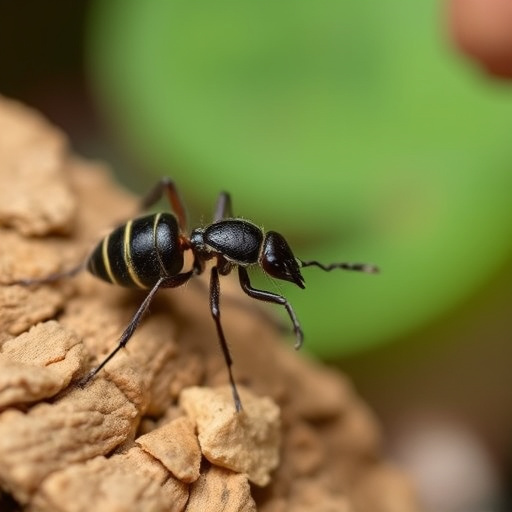
Natural termite control in Tucson can be achieved through various eco-friendly methods. For instance, keeping the landscape well-maintained by removing dead wood and reducing moisture levels nearby can significantly deter termites. Implementing physical barriers like termiticide-treated wooden shields or mesh screens around vulnerable areas offers an additional line of defense. Another effective approach is biological control, introducing natural predators such as certain ant species known to feed on termites. This method requires careful selection and placement for optimal results.
Regular inspections are an indispensable component of comprehensive termite prevention. Homeowners should schedule professional assessments at least annually, especially in regions prone to termite activity. These inspections enable early detection of any infestations, allowing for swift action. Termite control Tucson experts recommend staying vigilant by monitoring signs like mud tubes or wooden structural damage, which could indicate an active infestation. Proactive management and a multi-faceted approach are key to protecting homes from these persistent pests in Tucson’s climate.
In understanding how climate affects termite prevention in Tucson, this article has highlighted the intricate relationship between environmental conditions and termite activity. By embracing natural solutions for termite control Tucson, residents can effectively mitigate risks associated with these persistent pests. Key insights include leveraging Tucson’s unique climate to disrupt termite lifecycles through strategic planting, maintaining proper moisture levels, and promoting biodiversity. Practical steps, such as inspecting for signs of termites regularly, sealing entry points, and considering professional interventions like termite control Tucson naturally, offer comprehensive protection. Readers now possess a robust toolkit to safeguard their homes against termites in this particular environment, ensuring long-lasting peace of mind and property preservation.